
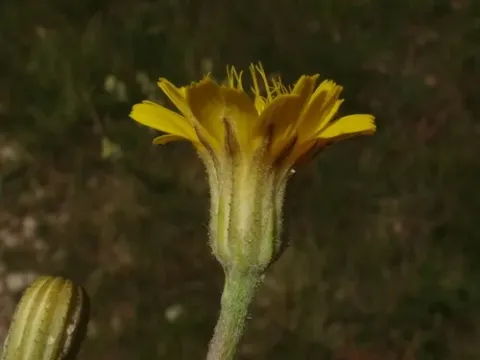
Crepis chondrilloides
Crepis chondrilloides
Crepis chondrilloides is a perennial herbaceous plant belonging to the Asteraceae family. Known for its restricted distribution, this species is typically found in high-altitude environments, where it demonstrates remarkable resilience to extreme mountain climates.
What the section contains
Crepis chondrilloides
Botanically, it is characterized by its specialized adaptation to rocky substrates and limestone cliffs. The plant features a basal rosette of leaves and produces yellow flower heads, typical of the genus, which are highly attractive to alpine pollinators.
Regarding growing conditions, this plant strictly requires well-drained, nutrient-poor soil, mimicking the conditions of scree slopes. It is highly sensitive to soil compaction and waterlogging, which often result in root rot and total loss of the specimen.
It thrives in full sunlight, as it is an obligate heliophyte. The presence of adequate light intensity is essential for the maturation of seeds and the overall physiological health of the plant throughout its short growing season.
While not a traditional agricultural crop, Crepis chondrilloides is of significant interest for ecological restoration projects in mountainous regions and for conservationists aiming to preserve unique alpine biodiversity.
The primary threats to Crepis chondrilloides populations are linked to habitat loss caused by climate change. As temperatures rise, the advancement of competitive shrubs and grasses into higher altitudes poses a significant survival challenge.
Common plant diseases affecting this species include various fungi that thrive in humid, cool conditions, potentially causing leaf spot or stem blight. Proper ventilation and avoiding excessive soil moisture are key to managing these risks in a controlled environment.
Insect pests, including aphids and specialized coleopterans, may feed on the plant tissues. However, in its natural mountainous range, these pressures are usually balanced by the local natural enemy complex, keeping infestations at manageable levels.
Soil erosion caused by geological shifts or improper land management practices remains a constant threat to the physical stability of its habitat.
Excessive trampling in areas with high human activity, such as trekking paths in the Alps, contributes to the degradation of the delicate rocky sites required by the species for seedling establishment.