
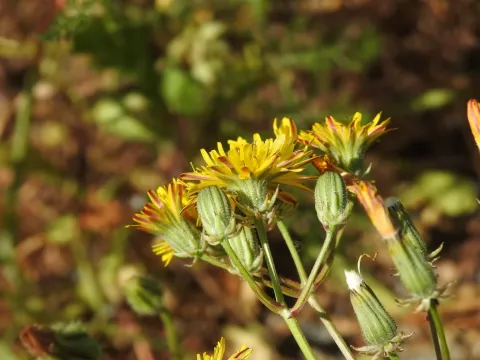
Crepis calycina
Crepis calycina
Crepis calycina is a herbaceous plant belonging to the Asteraceae family. It is recognized in agronomy for its potential to improve the nutritional profile of natural meadows and managed pastures, serving as a reliable fodder source.
What the section contains
Crepis calycina
Botanically, the species is identified by its rosette of basal leaves and yellow-flowered heads typical of the Crepis genus. It possesses a robust root system that helps the plant endure variable environmental conditions and contributes to soil stability.
The plant thrives in regions with temperate climates, preferring well-lit areas. It demonstrates significant adaptation to high-altitude and mountain meadows, where it maintains growth during the shorter vegetation season.
Soil requirements for optimal growth include well-drained, nutrient-rich substrates. While it adapts to various soil types, maintaining a neutral pH is beneficial for maximizing biomass production and ensuring high feed value.
Agricultural utility focuses on its use as a permanent forage component. Due to its early growth cycle, it provides valuable green mass in early spring, bridging the gap before other forage grasses reach their peak development.
The crop is susceptible to common fungal pathogens including powdery mildew, which can compromise the quality of the harvested hay if moisture levels remain high.
Insect pests such as aphids and leaf-eating beetles may pose a threat to plant vigor, particularly during the active blooming and seed-setting phases.
Effective management includes regular monitoring and strategic mowing to remove infected plant parts and prevent the spread of diseases within the pasture area.
Crop rotation and selecting appropriate seeding densities are fundamental agronomic practices used to keep the population healthy and resilient against natural threats.
Adhering to proper harvesting times is essential to maintain the productivity of the stands and minimize the impact of biotic stresses on the following year's growth.