
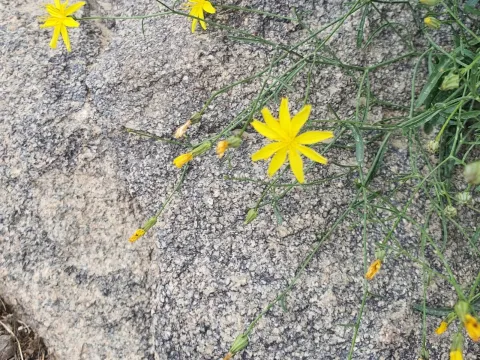
Crepidiastrum
Crepidiastrum Nakai
The sowing of Crepidiastrum seeds should be carried out in the spring once the soil temperature is consistently above 15 degrees Celsius to ensure uniform germination.
What the section contains

Crepidiastrum
When starting indoors or in trays, seeds should be scattered on the surface and lightly covered with soil, as they require light to trigger the germination process.
It is crucial to maintain an optimal planting density to allow for proper airflow around each individual plant, which reduces the risk of fungal issues during the early stages.
For direct seeding in the field, rows should be spaced appropriately to facilitate mechanical cultivation and ensure sufficient light penetration for leaf development.
Providing a consistent, mild moisture level during the first few weeks after sowing is essential for establishing a strong root system before the onset of faster growth.
Crepidiastrum belongs to the Asteraceae family and thrives in well-drained, fertile soil that retains moisture without becoming waterlogged or heavy.
The crop prefers sunny locations but can tolerate partial shade in regions with extremely high summer temperatures to prevent leaf scorching and bitterness.
Consistent irrigation is a key factor in successful cultivation, as the plant's succulent nature means it relies on stable water availability to maintain quality.
Regular weeding and soil aeration are necessary to keep the beds clean and ensure that the plants receive adequate nutrients throughout their growth cycle.
Applying balanced organic fertilizers or compost before planting can significantly boost the overall biomass production and improve the resilience of the crop.
High yields of Crepidiastrum are achievable by maintaining a clean field environment and implementing a structured harvesting schedule throughout the season.
Productivity is maximized when plants have enough space to develop a large, healthy rosette, which is the primary marketable part of the plant.
Sustainable harvesting techniques, such as selective leaf picking, allow growers to produce a continuous supply of fresh greens for local market demand.
With appropriate care and favorable climatic conditions, each plant can contribute to a significant total weight per square meter during its productive lifespan.
Efficient post-harvest handling ensures that the potential yield is fully realized without losses, meeting the standards expected for high-quality leafy produce.
Pests such as slugs and snails are significant threats to young Crepidiastrum plants, especially in cool, damp conditions where they can cause rapid foliage loss.
Fungal diseases like powdery mildew can develop if plant spacing is too dense or if humidity levels remain high without proper ventilation in the growing area.
Aphids are common summer pests that can infest the underside of leaves, causing structural deformation and weakening the plant's overall health.
Implementing proactive scouting and physical barriers can greatly reduce the need for intensive chemical applications while keeping the crop healthy.
- Regular inspection of the leaf underside for signs of infestation.
- Promoting biodiversity to attract beneficial insects that control pest populations.
- Maintaining field hygiene by removing crop residues after the season.
The harvest period begins when the rosettes reach maturity, characterized by vibrant color and crisp texture, indicating peak nutrient and water content.
Harvesting is best performed in the cool morning hours when the plant tissues are turgid, which helps the greens retain freshness for a longer period post-harvest.
Careful handling during the cutting process prevents bruising, as the leaves of this culture are relatively delicate and sensitive to rough impact.
Prompt cooling and proper storage in crates with high humidity are essential steps to maintain the post-harvest quality and prevent wilting.
Once harvested, the product should be sorted and packaged quickly to prepare it for distribution while it is still at its most flavorful and nutritious stage.