
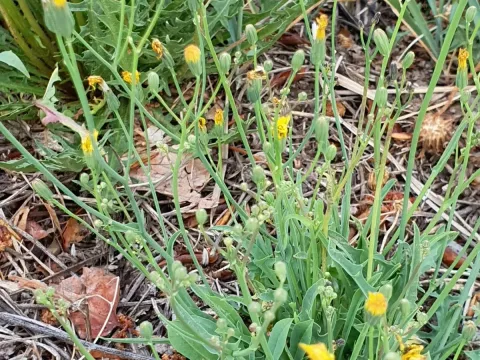
Crepidiastrum
Crepidiastrum
Sowing Crepidiastrum seeds should be done in early spring when the soil temperature consistently reaches 15-18 degrees Celsius.
What the section contains


Crepidiastrum
For greenhouse cultivation, seeds can be sown year-round, provided that there is adequate lighting and a controlled, moderate climate.
Seeds are tiny and should be sown shallowly, about 0.5 centimeters deep, ensuring good contact with the moist growing medium.
A row spacing of 20-30 centimeters is recommended to allow each plant enough space to develop a healthy leaf rosette without crowding.
Transplanting seedlings from starter trays to the field should occur once they have developed three to four true leaves to ensure success.
As a member of the Asteraceae family, Crepidiastrum thrives in fertile, well-drained soils with a neutral pH level.
The plant requires full sun to partial shade; however, direct scorching sunlight should be avoided to prevent early leaf hardening.
Consistent soil moisture is essential; while the plant dislikes waterlogging, drought stress will quickly lead to premature bolting.
Optimal growth occurs at temperatures ranging between 16 and 22 degrees Celsius, favoring moderate rather than extreme climates.
Regular fertilization with balanced nutrients helps sustain the rapid production of leaves during the active growing phase.
Productivity is highly dependent on environmental conditions and the frequency of harvests during the plant's vegetative life cycle.
Yields can be maximized by harvesting outer leaves periodically, which encourages the plant to continue producing new, fresh foliage.
With careful management, multiple harvests can be obtained from a single planting, increasing the overall agricultural efficiency.
Marketable yields depend on the plant's ability to maintain a succulent leaf structure, which is achieved through consistent watering.
Proper density and sunlight exposure allow for higher biomass accumulation, resulting in superior commercial returns per square meter.
Aphids and spider mites are the most common pests, particularly when growing in enclosed environments with low humidity.
Powdery mildew can infect leaves if there is inadequate airflow or if the plants are kept in excessively damp conditions.
Root rot is a significant threat associated with overwatering or poor drainage systems in container or greenhouse environments.
Biological pest control methods, such as utilizing beneficial insects, are highly recommended to keep populations under control.
Sanitation practices, including the removal of debris and proper ventilation, are key to preventing the spread of fungal pathogens.
Harvesting should be completed before the plant enters its reproductive stage, as the leaves develop a bitter taste once flowering starts.
The best quality is achieved when the greens are harvested during the cool morning hours to maintain maximum leaf turgor.
Post-harvest care involves rapid cooling to remove field heat, which significantly extends the shelf life and quality of the produce.
Greens should be stored in cool, ventilated conditions at temperatures between 0 and 2 degrees Celsius to preserve nutritional value.
Careful handling during the harvest process prevents bruising and tearing of the leaves, ensuring a premium product for the market.