
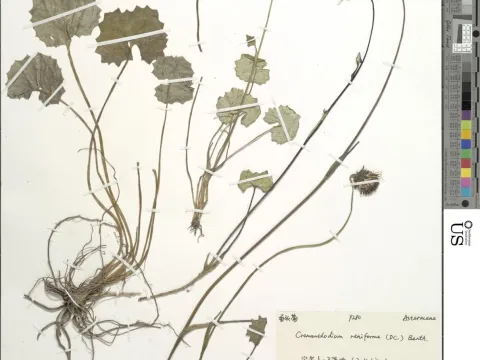
Cremanthodium reniforme
Cremanthodium reniforme
Cremanthodium reniforme is a perennial herbaceous plant belonging to the Asteraceae family. Its natural origin is rooted in the high-altitude meadows and alpine slopes of the Himalayas and the mountainous regions of Central Asia.
What the section contains
Cremanthodium reniforme
The plant is defined by its basal, kidney-shaped leaves and distinctive nodding flower heads. These morphological features make it a prized specimen for specialized rock gardens that simulate alpine environments.
Agricultural requirements include a cool, temperate climate and well-drained, humus-rich soil. The substrate should be slightly acidic to neutral, mimicking the natural stony debris found in its native mountain habitats.
Consistent moisture is essential during the growing season; however, the root system is highly sensitive to waterlogging. Effective drainage systems are mandatory to prevent root rot and ensure healthy physiological processes.
Sunlight exposure should be bright but filtered or moderate, especially during the hottest parts of the day. Providing shade and keeping the root zone cool with gravel mulch are critical agrotechnical practices for successful cultivation.
Fungal pathogens are the primary threats to Cremanthodium reniforme, specifically those causing root and crown rot when soil moisture levels are not managed correctly. Proper aeration of the soil is vital for survival.
Slugs and snails present a significant threat to the lush, succulent leaves of the plant. Gardeners must implement biological or mechanical control measures to protect the foliage from extensive feeding damage.
Poor ventilation can lead to outbreaks of powdery mildew, especially in humid or sheltered conditions. Maintaining good air circulation is a simple yet effective prophylactic measure against this fungal issue.
Spider mites may become a problem during periods of high temperature and low air humidity, leading to leaf desiccation. Maintaining appropriate local microclimate humidity is an effective deterrent against these pests.
Any imbalance in soil nutrition or pH levels can weaken the plant, making it prone to opportunistic infections. Balanced, low-concentration fertilizers are recommended to maintain plant vigor without promoting excessive tender growth.