
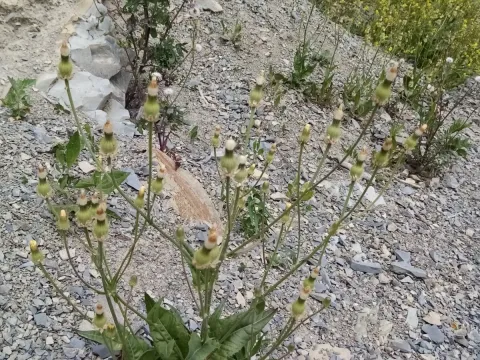
Alpine hawksbeard
Crepis alpina
Alpine hawksbeard (Crepis alpina) is a member of the Asteraceae family. This annual herbaceous plant is known for its ability to thrive in mountain environments, making it a subject of interest for specialized forage production and soil improvement.
What the section contains
Alpine hawksbeard
The sowing season typically begins in early spring once the ground has thawed and temperatures consistently stay above 5 degrees Celsius. The goal is to establish a strong root system before the onset of summer heat, which can be intense in alpine regions.
Seeds should be sown at a shallow depth of approximately 1 centimeter, as they require light and oxygen to germinate effectively. Maintaining a row spacing of 15 to 25 centimeters is recommended to ensure each plant has enough space to develop its foliage.
The initial growth phase involves the development of a basal rosette, followed by rapid stem elongation. Growers should focus on achieving an even seed distribution to prevent overcrowding, which can lead to weakened stems and reduced biomass yield.
Pre-sowing preparation involves ensuring the seedbed is fine and well-compacted. Since the seeds are small, they are prone to displacement by heavy wind or water, so light rolling after seeding is a standard practice in commercial operations.
Alpine hawksbeard demands well-drained, porous soils that allow for rapid root development. It is particularly sensitive to waterlogging, which often leads to poor aeration and subsequent root rot, hindering the plant's overall health and productivity.
Regarding climate, the plant is well-adapted to cooler, temperate conditions characteristic of mountainous regions. It prefers moderate levels of sunlight and can tolerate fluctuating temperatures better than many high-yield agricultural crops.
Soil nutrient status is critical, with the plant performing best in neutral to slightly alkaline soils. Regular testing for phosphorus and potassium levels is advised, as these nutrients play a vital role in the flowering and seed maturation processes of the plant.
Water availability is essential during the active vegetative stage. While it shows some tolerance to temporary dry spells, consistent moisture levels are required to produce tender, high-quality forage suitable for livestock consumption.
The species requires high light intensity to prevent etiolation. In environments where light is limited, the plants often fail to reach their full potential, resulting in lower biomass and weaker structural integrity of the plant tissues.
Fungal pathogens, particularly those causing powdery mildew, are the most frequent threats in dense stands. Adequate spacing and good airflow are essential components of an integrated pest management strategy to keep these diseases under control.
Insects like aphids and certain beetle species are common pests that target the young, tender foliage. Early detection is key, as these pests can cause significant damage to the plant's photosynthetic capacity if left untreated during the early stages of development.
Weed management during the first weeks of the growing season is crucial, as the young seedlings grow relatively slowly until the rosette stage. Once established, the crop usually outcompetes most common weeds, reducing the need for aggressive intervention.
Soil-borne diseases are often linked to improper drainage. If the soil remains saturated for extended periods, the root systems are prone to decay. Improving soil structure through organic amendments can help build resilience against such soil-borne issues.
Monitoring the crop for signs of physiological stress is part of daily management. Early yellowing of leaves or stunted growth often indicates poor soil nutrition or water stress, requiring immediate adjustment of fertilization or irrigation schedules.