
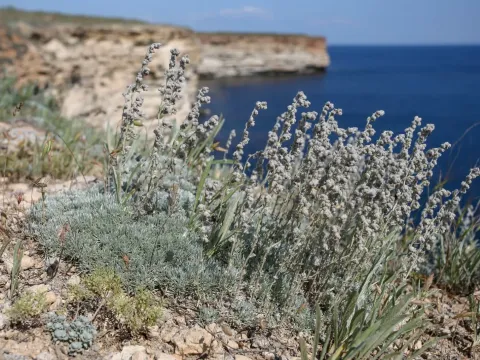
Alpine wormwood
Artemisia alpina
Sowing Alpine wormwood in a farming context is best performed in early spring once soil temperatures reach 8-10 degrees Celsius. Seeds possess natural dormancy and require cold stratification to ensure uniform germination.
What the section contains
Alpine wormwood
In regions with mild winters, late autumn sowing is an option, allowing seeds to undergo natural stratification in the soil. The seeding depth should be shallow, about 0.5 cm, as the seeds are tiny and require light for optimal germination.
Row sowing with a spacing of 45-60 cm is recommended to ensure adequate air circulation between plants. After sowing, the soil surface should be lightly compacted to improve contact between the seeds and the soil.
Using a transplanting method is effective for achieving stronger plants. Sowing in seedling trays in March and transplanting 60-day-old seedlings into the field in May yields more uniform crop growth.
Avoiding overcrowding is essential, as dense plantings lead to spindly stems and an increased risk of fungal infections. The target seeding rate is approximately 0.5-0.8 grams per square meter.
Alpine wormwood is a sun-loving species that requires maximum sunlight throughout its growing season. Any shade negatively affects the quality of its essential oils and its characteristic aromatic properties.
The plant prefers light, well-drained sandy or rocky soils with a neutral to slightly alkaline pH. Waterlogging is detrimental to this crop; therefore, drainage must be ensured on heavier soil types.
The plant is well-adapted to mountain environments, displaying excellent cold hardiness. Thanks to a deep and efficient root system, it demonstrates strong resistance to periodic droughts.
The optimal temperature for growth ranges between 18 and 24 degrees Celsius. As a member of the Asteraceae family, the plant appreciates clean, fresh air, which is typical of its native Alpine and Caucasian habitats.
During the active vegetation phase, the plant benefits from moderate applications of potassium and phosphorus fertilizers. Mineral nutrition supports the development of robust aerial parts and the synthesis of bioactive compounds.
The yield of Alpine wormwood depends heavily on the age of the plantation and the quality of management. Productivity peaks during the second and third years of growth.
Average yields of dry biomass range from 1.5 to 3 tons per hectare under intensive management practices. The aerial part of the plant, harvested during full bloom, represents the primary commercial product.
Consistent inter-row cultivation and weed control are essential for maximizing yields. Mulching helps preserve soil moisture and suppresses unwanted weed growth in the early stages of establishment.
The harvest is utilized in the essential oil, pharmaceutical, and landscaping industries. The plant is valued for its unique bitter properties and aromatic compounds.
For sustainable production, plantations should be rejuvenated every 4-5 years. Continuous cultivation in one spot can exhaust the soil and diminish the overall quality of the harvested material.
Aphids and various types of weevils are the primary pests, which may damage leaves and flower buds in the spring. Regular monitoring is key to detecting and managing pest outbreaks early.
Root rots are the most dangerous diseases, often triggered by excessive soil moisture or poor drainage. Fusarium wilt can significantly impact stand density in poorly ventilated areas.
Powdery mildew may occur during seasons with high humidity, manifesting as a white coating on the foliage. Maintaining proper distance between plants is the most effective preventative measure.
The use of pesticides should be restricted if the wormwood is intended for culinary or medicinal use. Biological pest control methods are highly recommended for these purposes.
Crop rotation is critical to prevent the buildup of soil-borne pathogens. Planting Alpine wormwood in fields previously used by other Asteraceae species should be strictly avoided.
Harvesting is conducted during the full flowering phase when the concentration of essential oils and active compounds in the plant tissues is at its maximum.
The stems are cut at a height of 10-15 cm from the ground, ensuring no soil or foreign debris enters the harvested biomass. Cleanliness is paramount for maintaining the quality of the raw material.
Drying should be performed quickly in shaded, well-ventilated areas at temperatures not exceeding 40 degrees Celsius. Fast drying prevents the loss of aromatic compounds and helps maintain color.
Once dried, the raw material is processed to remove thick, non-leafy parts. The final product should be stored in airtight containers in a cool, dark place to protect it from degradation.
A single annual harvest is recommended to allow the plants to store energy for winter survival. Repeated cutting can weaken the root system and lead to winterkill.