
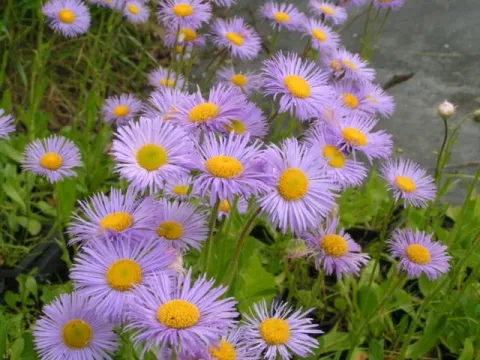
Alpine fleabane
Erigeron alpicola
Alpine fleabane (Erigeron alpicola) is a hardy perennial member of the Asteraceae family. It is naturally found in high-altitude environments, which dictates its specific physiological traits.
What the section contains
Alpine fleabane
The plant exhibits a compact, low-growing habit with dense foliage, designed to withstand cold alpine winds and extreme solar radiation characteristic of mountain habitats.
For cultivation, gardeners must provide well-drained, gritty, or sandy soils. Since it is native to rock crevices and high slopes, it is highly intolerant of waterlogged soil conditions.
Full sun is essential for the healthy development of this species. In shaded conditions, the plant tends to become leggy and loses its distinct cushion-like structural integrity.
It is primarily grown for its horticultural value in rock gardens, scree beds, and stone troughs where its early-season blooms provide a significant aesthetic contribution.
The primary threats to Erigeron alpicola are soil-borne pathogens, particularly root rot, which is triggered by excessive soil moisture and poor drainage.
Pests such as aphids and spider mites can colonize the foliage during hot, dry summer spells, causing stunted growth and leaf discoloration.
Powdery mildew may also occur if the plant is grown in areas with poor air circulation or high humidity levels, necessitating corrective spacing.
To maintain plant health, it is recommended to apply a top dressing of gravel around the crown to keep the foliage dry and prevent rot.
If chemical intervention is necessary, select targeted miticides or insecticidal soaps that are safe for alpine flora, applying them only during early morning hours.