
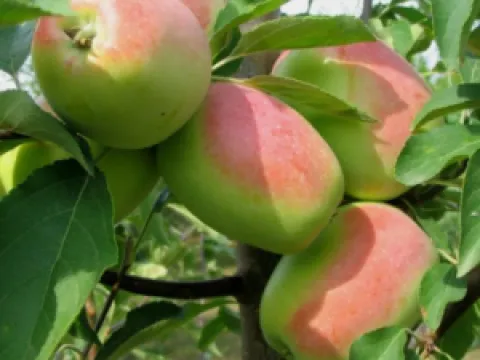
Ambassa
Ambassa
Sowing of the Ambassa crop begins when the soil temperature consistently remains above 12 degrees Celsius to ensure rapid and uniform germination.
What the section contains
Ambassa
The optimal planting window is in the middle of spring, allowing the plants to fully utilize the moisture reserves accumulated during the winter season.
The seeding depth should be calibrated based on soil texture, typically ranging between 3 to 5 centimeters to provide adequate anchor for young seedlings.
Early sowing in cold soil can lead to delayed emergence, while late planting risks moisture deficiency in the topsoil layer during critical early growth stages.
Maintaining correct plant density is essential, as overcrowding results in intense competition for nutrients, light, and essential space for development.
Ambassa thrives in well-structured, fertile soils with a neutral or slightly acidic pH, which promotes the growth of a robust and resilient root system.
The crop is highly sensitive to light exposure, requiring open fields that are protected from excessive wind gusts to ensure healthy vegetative development.
Providing balanced mineral nutrition, particularly nitrogen and potassium, is crucial for supporting the crop throughout all stages of its life cycle.
During the flowering and seed-setting phases, the plant requires consistent moisture levels, making strategic irrigation essential in drought-prone areas.
Waterlogged soils must be avoided as they lead to root diseases and hinder the plant's physiological functions, severely impacting overall crop health.
Achieving high yields for Ambassa depends on strict adherence to technical guidelines and precise execution of all agricultural practices during the season.
Using certified seed stock and applying intensive cultivation technologies allows modern farmers to achieve consistent and sustainable yield improvements.
Monitoring the number of productive branches is a key indicator for estimating total output, requiring careful observation throughout the growth period.
Climatic variability during key developmental stages can influence final productivity, making vigilant field monitoring a core part of professional management.
Efficient harvest planning is essential to ensure that the yield potential is fully realized without unnecessary losses in the field or during storage.
Primary threats to Ambassa include various fungal pathogens that thrive in high humidity and warm temperatures, potentially causing significant foliage damage.
Pests such as sucking insects pose a major risk as they may act as vectors for viral diseases, which significantly weaken the plant and reduce seed quality.
Disease prevention relies on sustainable crop rotation practices and the use of high-quality, treated seed to protect young plants from soil-borne pathogens.
Regular field scouting is vital for the early detection of disease hotspots, enabling targeted fungicide applications rather than widespread prophylactic spraying.
- Powdery mildew and various leaf spot fungi.
- Aphids and plant bugs that damage stems and pods.
Harvesting Ambassa occurs at full biological maturity when grain moisture levels have dropped sufficiently for safe and stable long-term storage.
Timeliness is critical to prevent yield losses due to grain shattering, which can occur if the crop is left standing in the field for too long after maturity.
Utilizing modern harvesting machinery with properly adjusted settings ensures minimal mechanical damage to the seeds during the threshing process.
Post-harvest processing involves cleaning and drying the seeds to prevent moisture-related mold growth and heating within grain storage facilities.
Proper logistical planning ensures that the high-quality harvest is preserved efficiently, maintaining the crop's market value from field to end-user.