
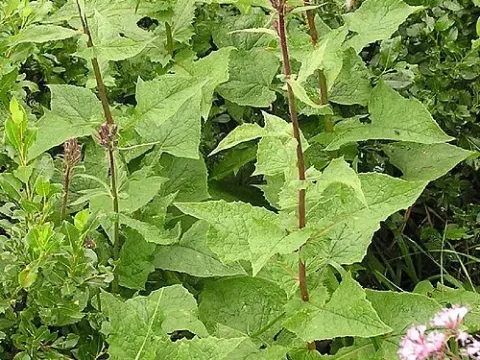
Alpine blue-sow-thistle
Lactuca alpina
Alpine blue-sow-thistle, scientifically known as Lactuca alpina (formerly Cicerbita alpina), is a perennial member of the Asteraceae family. It is typically propagated through seeds that require specialized treatment.
What the section contains
Alpine blue-sow-thistle
To break seed dormancy, a cold stratification process is essential. Seeds should be kept in a moist environment at temperatures near freezing for at least 6 to 8 weeks before sowing.
Sowing should ideally take place in early spring or during autumn in well-prepared seed beds. The seeds are very small and should only be lightly covered with soil to allow light-sensitive germination.
The seedling stage is critical; young plants grow slowly and require consistent moisture and protection from harsh environmental conditions during their first season.
Once established, the plant develops a robust root system and a rosette of leaves, expanding its footprint through both seeds and short underground rhizomes.
This plant thrives in cool, moist, and shady environments, mimicking its native habitat in mountain forests and alpine meadows where temperatures remain relatively low.
Soil requirements include a rich, loamy texture with high organic matter content. The pH level should be slightly acidic to neutral to ensure optimal nutrient uptake for the plant.
Water management is paramount; the soil must be kept constantly moist but never waterlogged. Regular, light irrigation is preferred over infrequent heavy soaking.
Protection from direct midday sun is necessary to prevent leaf scorching and desiccation. Planting near taller vegetation or in northern-facing beds is highly recommended.
Fertilization with well-rotted compost or balanced organic fertilizers during the spring growth flush will significantly enhance the vigor and health of the plant.
In cases where the plant is utilized for medicinal or culinary purposes, harvesting of the young leaves is best performed before the flowering stem begins to elongate.
Selective harvesting is advised; by taking only the outer leaves, the central crown remains intact, allowing the plant to continue producing foliage throughout the season.
For seed collection, the flower heads should be harvested once the pappus (the fluffy part) becomes visible, but before the wind disperses the seeds naturally.
Post-harvest handling requires gentle cleaning and storage in cool conditions to preserve the freshness and active compounds contained within the plant tissues.
If harvesting for ornamental reasons, removing faded flower stalks helps maintain a tidy appearance and encourages potential secondary growth in late summer.
The primary pests affecting this crop include gastropods, such as slugs and snails, which can devastate the soft foliage in a single night if left uncontrolled.
Fungal issues such as downy mildew can appear in poorly ventilated areas with high humidity, leading to leaf discoloration and a decline in overall plant vitality.
Aphid infestations are common during warmer periods; these pests cluster on the undersides of leaves and can transmit viral diseases that stunt plant development.
Preventative measures include maintaining adequate spacing between plants to ensure good airflow and regular inspections of the foliage for signs of early infection.
Integrated pest management strategies are recommended to maintain the ecological balance and prevent the use of harsh chemicals near the edible parts of the plant.