
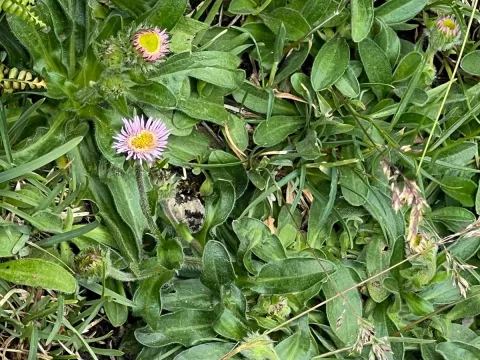
Alpine fleabane
Erigeron alpinus
Alpine fleabane (Erigeron alpinus) is a herbaceous perennial plant belonging to the Asteraceae family. It is native to the mountain regions of Europe, where it thrives in alpine meadows and rocky terrain, exhibiting high adaptability to harsh environments.
What the section contains
Alpine fleabane
Botanically, the plant is distinguished by its pubescent stems and leaves, which serve as a specialized defense against moisture loss. It forms dense clumps, typically reaching a height of 10 to 30 cm during the flowering season.
This species requires well-drained soil with a neutral or slightly acidic pH. The plant performs best in locations that mimic its native rocky habitat, making it an excellent choice for rock gardens and borders with light, sandy, or loamy soil substrates.
Sunlight is a critical factor for the healthy development of Alpine fleabane. It requires full sun exposure to maintain its compact growth habit and produce vibrant blooms, as shaded conditions lead to etiolation and structural weakness.
Watering requirements are moderate but essential during dry spells. Although the plant is drought-tolerant once established, supplemental irrigation during the peak growing season ensures optimal flower production and prevents premature wilting.
The primary threats to this plant are fungal pathogens, specifically those causing root rot and powdery mildew, which often occur when environmental conditions are excessively humid or if soil drainage is insufficient.
Insect pests such as aphids and leaf-eating beetles can cause significant damage to foliage and flower buds, potentially stunting the growth and reducing the ornamental value of the plant.
Maintaining proper spacing between plants is crucial to encourage air circulation, which helps dry out foliage and significantly lowers the risk of fungal outbreaks within the garden bed.
Integrated pest management strategies, including the use of targeted systemic insecticides and fungicides, should be applied only when necessary to preserve the health of the specimens.
Consistent monitoring for early signs of disease, particularly during the transition from spring to summer, allows for rapid intervention and protects the plant's overall vitality.