
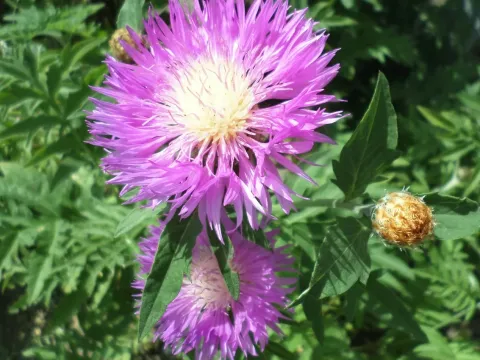
Amberboa moschata
Amberboa amberboi
Amberboa moschata, commonly known as Sweet Sultan, is typically grown from seeds sown directly into the ground in early spring. The seeds require warmth and stable conditions to germinate successfully.
What the section contains
Amberboa moschata
For best results, gardeners should choose a sunny location with well-draining soil. Seeds should be spaced approximately 20 to 30 centimeters apart to ensure each plant receives enough light and air.
Cover the seeds lightly with soil, ensuring they are at a depth of about 1 centimeter. Too much soil over the seeds can significantly delay germination and weaken the resulting seedlings.
Thinning is an essential part of the sowing process. Once the seedlings have reached a height of 5 centimeters, it is necessary to remove weaker plants to allow the stronger ones to mature.
Staggered sowing throughout the spring months allows for extended flowering periods. This practice is recommended for gardeners who wish to maintain a display of blooms throughout the summer.
As a member of the Asteraceae family, Amberboa moschata thrives in locations that provide plenty of direct sunlight. It is an excellent choice for flower beds that receive at least six hours of sun daily.
The plant prefers fertile, slightly alkaline soil that drains well. It is highly sensitive to waterlogged conditions, which can quickly lead to root decay and the decline of the plant’s vigor.
Tolerance for heat and occasional drought makes it a low-maintenance option for many climate zones. While it prefers consistent moisture during the germination stage, it becomes quite hardy once established.
Proper cultivation includes regular weeding to prevent competition for nutrients. Keeping the area around the base of the plant free from debris and weeds ensures better airflow and health.
Fertilizing with a balanced, slow-release fertilizer at the start of the season can help improve bloom quality. Avoid excessive nitrogen, which can lead to excessive foliage growth at the expense of flowers.
Fungal diseases are the primary threat to the health of Amberboa moschata. Powdery mildew can appear if the plants are placed too closely together, preventing proper air circulation during humid weather.
Root rot is a common issue caused by poor drainage or overwatering. Maintaining a strict watering schedule and ensuring the soil remains loose is the most effective way to prevent these problems.
Aphids are the most frequent insect pest encountered in the cultivation of this species. These small insects attack the developing buds and tender stems, requiring monitoring and potential insecticide use.
Spider mites can occasionally infest the foliage during periods of extreme heat and low humidity. Regular inspection of the underside of leaves can help catch these pests before an infestation becomes severe.
To keep the garden healthy, it is best to practice crop rotation. Planting the same species in the same spot for multiple years can lead to a buildup of soil-borne pathogens that affect Asteraceae plants.