
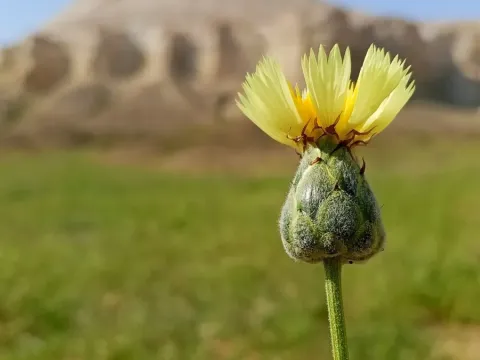
Amberboa
Amberboa
Amberboa is a genus of flowering plants belonging to the Asteraceae family. Known for its unique flower heads that resemble cornflowers, this culture is highly regarded by gardeners for its aesthetic appeal and structural variety.
What the section contains

Amberboa
Sowing in open ground is typically carried out in the spring, once the soil has warmed sufficiently. Mid-April to early May is considered the ideal window for direct seeding, depending on the local climate and temperature trends.
For earlier blooms, gardeners often opt for seedling production in greenhouses. Starting seeds indoors in March allows for stronger root development before transplanting the young plants into the garden once frost danger passes.
The seeds should be sown at a shallow depth of approximately 1 to 2 centimeters. Maintaining a warm environment around 18–20 degrees Celsius is essential for achieving a high and uniform germination rate within two weeks.
Once seedlings have developed their first true leaves, they should be thinned or transplanted to ensure adequate spacing. A minimum of 25–30 centimeters between individual plants is necessary to promote healthy growth and airflow.
Amberboa is a heliophilic plant, requiring full sun exposure to flourish and maintain its structural integrity. Planting in shaded areas leads to weak stems and a significant decrease in the number of flowers produced.
The ideal soil conditions for this crop include well-drained, fertile sandy or loamy soils. A neutral to slightly alkaline pH level is optimal for nutrient uptake and overall plant health throughout the season.
The plant is noted for its high drought tolerance once established. Minimal irrigation is required; therefore, it is crucial to avoid overwatering, which can lead to root system issues and poor plant vigor.
Fertilization should be managed carefully. A balanced, low-nitrogen complex fertilizer applied in the early vegetative phase is sufficient to support steady growth without encouraging excessive leaf development at the expense of blossoms.
Cultivation practices must include regular weeding to eliminate competition for water and sunlight. Gentle hoeing around the base of the plants improves soil aeration and prevents crust formation on the surface.
Fungal diseases, such as powdery mildew, are the most frequent threats to Amberboa, particularly in humid or stagnant air conditions. Proper spacing is a key preventative measure to ensure adequate air circulation.
Root rot is a common problem caused by poor drainage or excessive soil moisture. Once root damage begins, it is difficult to treat, making preventative soil management and careful watering protocols absolutely critical.
Pests such as aphids and spider mites can infest the foliage and flower buds, especially during hot and dry weather. These pests drain the plant's resources, causing stunted growth and distorted, unsightly blossoms.
If an infestation occurs, targeted use of insecticides or soap-based sprays is recommended. Early detection is vital for controlling these pests before they can cause widespread damage to the flower beds.
Maintaining a healthy environment through crop rotation and regular inspection helps keep the Amberboa plantation free from common diseases. Avoiding over-crowding is the most effective biological defense mechanism.