
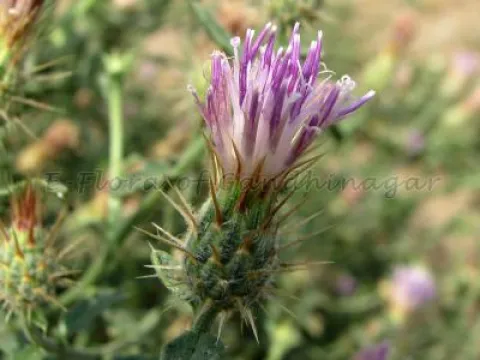
Amberboa ramosa
Amberboa ramosa
Amberboa ramosa is an annual herbaceous plant belonging to the Asteraceae family. In agricultural and horticultural practice, seeds are sown directly into the soil in mid-spring, once the danger of frost has passed.
What the section contains
Amberboa ramosa
For regions with shorter growing seasons, starting seeds indoors is recommended. Seeds should be sown in seedling trays during early spring, maintaining a consistent temperature to ensure successful germination.
When planting, it is crucial to provide adequate spacing, as this plant tends to branch out significantly. A spacing of at least 25 to 30 centimeters between plants allows for optimal development of each specimen.
Sowing depth should be kept shallow, approximately 0.5 to 1 centimeter, to allow the small seeds to emerge effectively through the soil surface without excessive energy expenditure.
After sowing, keep the soil moist but not waterlogged. The germination process typically takes about ten to fourteen days under favorable environmental conditions.
This species thrives in full sun, requiring a bright and well-ventilated location to produce high-quality blooms. Exposure to sufficient sunlight is critical for its overall health and development.
The plant prefers well-draining, fertile soils. Heavy clay soils are unsuitable as they often lead to root rot due to moisture retention, which the plant is highly sensitive to during its growth cycle.
While Amberboa ramosa is moderately drought-tolerant, consistent soil moisture during the active growing phase significantly enhances floral production. Avoid excessive overhead watering to prevent foliage diseases.
The optimal pH range for the soil is neutral to slightly alkaline. Acidic conditions can lead to stunted growth and nutrient deficiencies that negatively impact the vibrancy of the flowers.
Feeding the plants with balanced fertilizers during the bud-formation stage can boost growth. However, over-fertilization should be avoided to prevent excessive leafy growth at the expense of flower development.
The economic and aesthetic value of Amberboa ramosa is primarily found in its floral output. It is frequently utilized in professional landscaping and as a material for dried flower arrangements.
Each healthy plant can produce numerous flower heads throughout the season. Continuous deadheading of spent blooms is a recommended practice to encourage the plant to produce more secondary shoots.
For use as cut flowers, harvesting should occur when the buds are partially open. This ensures the best longevity and structural integrity when used in vases or bouquets.
Seed harvesting is also a viable production path for specialized growers. It is best done during dry weather to prevent loss of seeds from natural scattering once the seed heads mature.
With standardized care, the density of the crop allows for a high yield of decorative stems, making it an attractive choice for both public urban parks and small-scale private gardens.
Aphids and spider mites are the most common pests that affect the foliage of Amberboa ramosa, particularly during dry and hot weather. Early detection is vital for controlling their populations.
Fungal issues such as powdery mildew can occur if the humidity levels are too high or if the plants are crowded. Good air circulation is the primary defense against such infections.
- Regular monitoring of the leaf surface for pest activity.
- Improving site ventilation by ensuring proper distance between plants.
- Timely application of targeted fungicides if a disease outbreak is confirmed.
Root rot is often the result of poor soil drainage rather than an incurable disease. Modifying the irrigation schedule usually helps in recovering the plants from initial stress symptoms.
If viral symptoms appear, such as mottled patterns on the leaves, it is best practice to remove and dispose of the affected plants immediately to prevent the spread of the pathogen.