
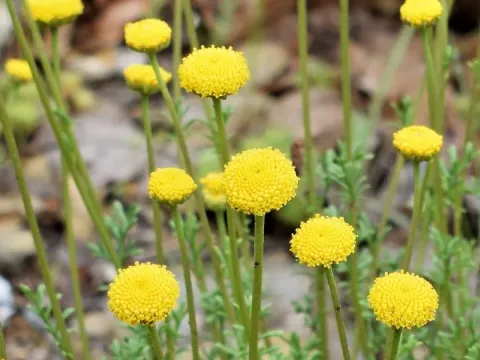
Alpine chamomile
Anthemis alpestris
Alpine chamomile (Anthemis alpestris) is a perennial herbaceous plant belonging to the Asteraceae family. Sowing is typically carried out in late autumn or early spring once the soil temperature consistently reaches 5-8 degrees Celsius.
What the section contains
Alpine chamomile
Seeds require a period of cold stratification for optimal germination. When sowing in spring, seeds should be sown in prepared, light, and well-drained soil at a shallow depth of approximately 0.5 to 1 centimeter.
For nursery production, seeds are sown in protected structures during March. The resulting seedlings are transplanted into the field after the danger of frost has passed, ensuring the soil is sufficiently warmed.
The recommended planting spacing is 25-30 centimeters between individual plants. This density promotes adequate air circulation, which is essential to minimize the risk of fungal infections.
Proper seedbed preparation is vital, ensuring the soil is fine-textured to allow the small seeds to establish good contact with the substrate, facilitating uniform and rapid emergence.
As a mountain-origin species, Alpine chamomile thrives in specific environmental conditions. It prefers sandy or rocky soils with excellent drainage and a neutral to slightly alkaline pH level.
The plant is highly sensitive to waterlogging. It is essential to site the crop on elevated ground or slopes where there is no risk of standing water, which can quickly lead to root rot.
Alpine chamomile is an obligate sun-lover. It requires full sun exposure for at least 6-8 hours daily to stimulate flowering and maximize the synthesis of pharmacologically active metabolites.
The species is noted for its moderate drought tolerance once established. However, during the seedling stage, consistent moisture is necessary until the root system has fully developed in the field.
Fertilization should be handled with care. Excess nitrogen should be avoided as it promotes vegetative growth at the expense of floral production. Phosphorus-rich fertilizers are preferred to support bud development.
The economic productivity of Alpine chamomile is measured by the biomass yield of its dried floral heads. Productivity peaks during the second and third years of the plant's life cycle.
Under optimal management, yields can range from 0.5 to 1.2 metric tons of dried flowers per hectare. Timely harvest during peak flowering is critical for achieving these yield targets.
To maintain high productivity, rotation and rejuvenation of the planting site every 3-4 years are recommended. Old plants tend to become dense, which reduces flower quality and yield efficiency.
In ornamental applications, yield refers to the number of inflorescences per plant. A healthy, well-maintained specimen can produce dozens of flower heads throughout the flowering season.
Regular maintenance, including weeding and keeping the inter-row spaces clear, significantly contributes to increasing the final harvest by reducing competition for light and soil moisture.
Fungal diseases are the primary threat to this crop. Powdery mildew and various root rots are common, especially in humid climates or areas with poor drainage and restricted airflow.
Pests such as aphids and spider mites can colonize the foliage during hot, dry spells. These pests weaken the plant, which may necessitate the use of systemic insecticides or biological controls.
Nematodes may pose a risk to root health in certain soil types. Maintaining a clean rotation cycle and using certified, disease-free starting material are essential preventive strategies.
Larvae of soil-dwelling beetles can damage roots during the establishment phase. Monitoring soil conditions prior to planting helps to identify and mitigate these risks effectively.
Proactive management of drainage and vegetation spacing is the most effective way to prevent the establishment of the majority of diseases and pests affecting this species.
Harvesting is performed during the peak flowering stage when the flower heads are fully opened. This timing ensures the highest concentration of essential oils and active compounds.
The harvest should be conducted on a dry, sunny day, preferably after the morning dew has evaporated. The collected material should not be compressed to prevent internal heating.
Processing must begin immediately after collection. The harvested flowers are dried in a shaded, well-ventilated environment or specialized industrial dryers at temperatures below 40 degrees Celsius.
Excessive heat or direct sunlight during drying will cause the flowers to lose their color and essential oil content, significantly decreasing the quality and market value of the crop.
Final storage should be in airtight, light-proof containers in a cool, dry place. This ensures the longevity of the product and preserves its medicinal and aromatic properties for later use.