
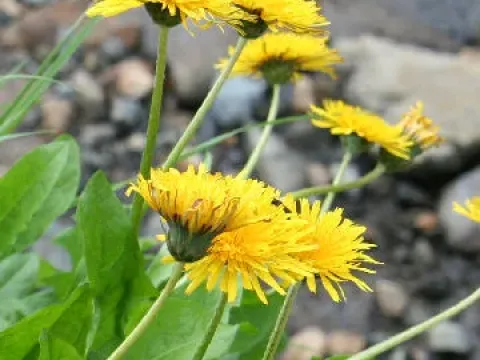
Alpine dandelion
Taraxacum alpicola
The Alpine dandelion (Taraxacum alpicola) is a herbaceous perennial plant belonging to the Asteraceae family. Its evolutionary history is deeply rooted in high-altitude environments, where it has developed specialized mechanisms to survive in alpine meadows and rocky terrains.
What the section contains
Alpine dandelion
Regarding soil requirements, the crop thrives in well-drained, nutrient-rich soils that mimic its natural mountain habitat. It is highly sensitive to waterlogging, which necessitates light, stony or sandy-loam soils to ensure optimal root health and gas exchange.
The climate must be suitable for high-altitude species, characterized by cooler average temperatures and high light intensity. In commercial cultivation, it is crucial to avoid extreme heat, which can stress the plant and reduce the concentration of beneficial secondary metabolites.
Botanically, the plant features a taproot system that reaches deep into the soil to stabilize the plant and absorb moisture. The leaves are typically arranged in a basal rosette, designed to capture maximum sunlight in short growing seasons while minimizing moisture loss.
Agricultural management requires careful attention to weed control during the seedling stage. Once established, Taraxacum alpicola is a robust competitor, though periodic thinning is recommended to prevent density-related issues such as poor airflow and fungal pressure.
The plant is utilized in specialized herbal medicine and as a niche high-altitude forage crop. Sustainable harvesting techniques, such as selective hand-picking of leaves and careful extraction of roots in autumn, are standard to preserve the plant population's viability.