
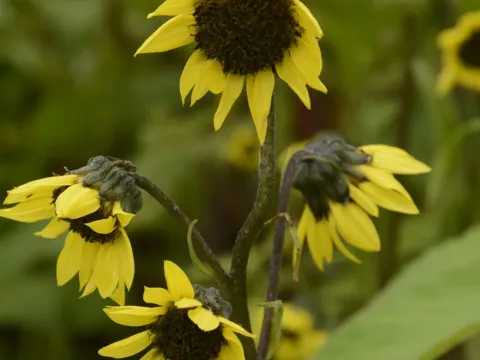
Cremanthodium arnicoides
Cremanthodium arnicoides
Cremanthodium arnicoides is an herbaceous perennial belonging to the Asteraceae family. This species is native to the high-altitude regions of the Himalayas, where it thrives in alpine meadows and rocky slopes at significant elevations.
What the section contains
Cremanthodium arnicoides
Botanically, the plant is recognized by its basal rosette of foliage and solitary, nodding flower heads that bear a resemblance to arnica. Its biological strategy is optimized for a very short growing season, characterized by rapid flowering and seed production.
In terms of agricultural requirements, this plant demands a cool, humid atmosphere. It is poorly suited for hot, low-land climates and requires a specific micro-environment to replicate its native high-altitude habitat.
The soil must be well-draining, gritty, and nutrient-rich, mimicking the structure of scree or mountainous soil. It is essential to maintain consistent soil moisture during the active vegetative stage without allowing water to pool around the base of the plant.
Ideally, this species should be planted in rock gardens or specialized alpine frames with northern or eastern exposure. Protection from intense midday sun is critical to prevent thermal stress and subsequent decline in plant vigor.
The most significant threat to Cremanthodium arnicoides in cultivation is crown rot, caused by excessive soil moisture and poor drainage during the dormant or cool seasons.
Slugs and snails are major pests that target the tender leaves and flower buds, potentially destroying the plant's ability to complete its annual cycle.
Inadequate air circulation often leads to the development of powdery mildew and other fungal pathogens, especially if the plants are crowded or located in stagnant environments.
Harsh winter conditions, particularly fluctuating temperatures without a consistent snow cover, can cause soil heaving and physical damage to the root system, leading to poor spring growth.
Thermal stress from heatwaves is a common physiological challenge, which significantly weakens the plant, making it prone to opportunistic pests and secondary infections.