
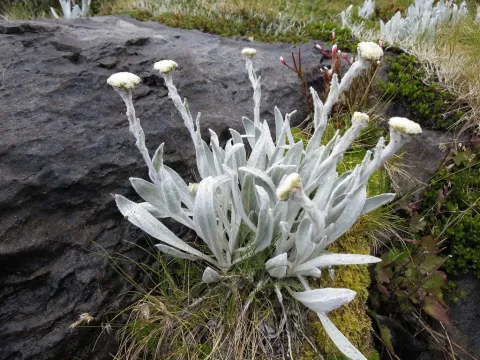
Craspedia
Craspedia
Craspedia belongs to the Asteraceae family. It is a perennial herbaceous plant, though in temperate climates, it is cultivated primarily as an annual crop.
What the section contains
Craspedia
To ensure early blooming, seeds are sown in trays indoors in late February or early March. Use a light, nutrient-rich substrate mixed with sand or perlite to improve root aeration.
Seeds are sown on the surface and lightly covered with vermiculite. Containers should be covered with plastic film and kept at temperatures around +20…+22 °C until germination occurs.
Seedlings should be pricked out into individual pots once the first two true leaves appear. Adequate lighting is crucial during this stage to prevent the plants from becoming leggy.
Transplanting into open ground is scheduled for late May, once the risk of night frost has passed, as the plant is sensitive to low freezing temperatures.
Craspedia thrives in well-lit, sunny locations sheltered from strong winds. This culture is highly dependent on high light intensity for the proper formation of its signature globe-shaped flower heads.
The plant has moderate soil requirements but performs best in light, well-drained soils with a neutral pH level.
Water stagnation is detrimental to Craspedia's root system; therefore, on heavy clay soils, it is essential to install proper drainage or plant on raised beds.
Irrigation should be moderate. Adult plants are relatively drought-tolerant; excessive moisture often triggers root rot and reduces the plant's overall decorative quality.
Fertilization is carried out using balanced mineral fertilizers with low nitrogen content during the active growth phase. Excess nitrogen promotes foliage growth at the expense of flower head quality.
The primary threats to Craspedia are fungal diseases that emerge under poor moisture management. Powdery mildew and various types of root rot are the most frequent issues.
Waterlogged soil can lead to late blight infections. Preventive measures include strict crop rotation and careful irrigation monitoring to avoid water accumulation around the root zone.
In terms of pests, aphids and spider mites are the most common, feeding on the juices of young leaves and flower stalks. Regular field inspections help identify infestation hotspots early.
If pests are detected, systemic insecticides or acaricides should be used according to the label instructions. Applications should ideally occur during morning or evening hours to protect beneficial insects.
Growers should also be aware of the risk of nematode infestation when planting on infected plots. Using sterile substrates and disinfecting tools helps mitigate these risks significantly.
Commercial use of Craspedia focuses on harvesting for fresh bouquets or the production of dried flowers. The flower heads are valued for their high density and excellent longevity.
Harvesting takes place when the globe-shaped flower heads are fully open and have attained their deep, vibrant yellow coloration. Cutting should be performed in dry weather, preferably in the morning after dew has evaporated.
For dried floral arrangements, stems are tied into small bunches and hung upside down in a dark, dry, and well-ventilated room.
Following proper drying protocols allows the flower heads to retain their intense color for many months, making Craspedia a staple in floral design and interior decoration.
When stored correctly, dried stems can maintain their market value for 2 to 3 years, which contributes to the high commercial demand for this crop in the floral market.