
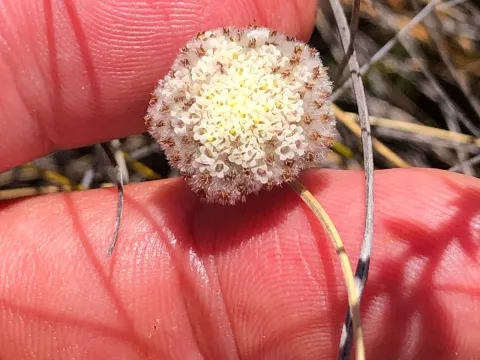
Craspedia uniflora
Craspedia uniflora
Craspedia seeds are sown in late February or early March to ensure well-developed plants by the start of the summer season. Due to the naturally low germination rate, it is recommended to use high-quality seed starting mix supplemented with vermiculite to maintain consistent moisture.
What the section contains
Craspedia uniflora
The germination process requires a stable temperature of approximately 20-22 degrees Celsius and bright light. It is important not to cover the seeds too deeply with soil, as they require light to stimulate successful development during the initial stage.
Seedlings should be transplanted into individual 8-10 cm pots once they reach the two-leaf stage. This allows for the development of a strong root system, which is essential for successful establishment once the plants are moved outdoors.
Transplanting into the field should occur only after the danger of late spring frost has completely passed. In milder climates, direct sowing is possible, although the transplant method remains superior for achieving a longer and more reliable flowering period.
Plants should be spaced 25-30 centimeters apart to ensure proper airflow and light penetration, which helps reduce the risk of diseases caused by stagnant humidity in the root zone.
Craspedia uniflora thrives in well-lit, sunny locations with light, fertile, and well-drained soils. It is highly sensitive to waterlogging, so in heavy clay soils, it is necessary to incorporate sand or fine gravel to improve drainage.
As a member of the Asteraceae family, originating from New Zealand and Australia, the plant prefers moderate soil moisture during active growth but exhibits good tolerance to short periods of drought once established.
Irrigation should be regular but cautious, as excessive soil moisture often leads to fungal root rot. Fertilizer applications should focus on balanced mineral mixes, applied during the budding phase to promote vigorous flower development.
Soil aeration is critical for craspedia success; therefore, regular cultivation between rows is a recommended practice. Applying mulch helps maintain a stable root temperature during hot summer months and suppresses weed competition.
Low-nitrogen fertilizers are preferred to prevent excessive vegetative growth at the expense of flower production. Maintaining proper nutrient balance ensures the formation of firm, vibrant, and perfectly spherical flower heads.
The primary threats to craspedia cultivation include fungal diseases such as root rot and fusarium wilt, which are frequently triggered by poor drainage, excessive irrigation, and overcrowding of plants.
Common pests that may affect the crop include aphids and thrips, which feed on the plant's sap and buds. Regular scouting of the fields is essential to detect early infestations and intervene before significant damage occurs.
Systemic fungicides should be used sparingly and only when symptoms are clearly identified, as the plant can be sensitive to chemical treatments. Preventative measures include proper hygiene, such as removing debris and managing irrigation levels.
Slugs and snails can cause substantial damage to young seedlings, particularly during damp seasons. Protecting beds with physical barriers or utilizing coarse mulch around the base of the plants is often effective against these pests.
Poor ventilation within dense plantings may lead to powdery mildew outbreaks. Thinning plants and keeping the foliage dry are effective strategies for minimizing this risk throughout the growing cycle.
Craspedia flowers are typically harvested when they have fully expanded but remain firm and vibrant. The ideal time for cutting is in the morning, immediately after the dew has evaporated, to maximize the quality and shelf-life of the stems.
Harvested stems should be bundled and hung upside down in a dry, dark, and well-ventilated area. This traditional drying method ensures the spherical flower heads retain their shape and deep, natural color for an extended period.
The plant is highly valued in the dried flower industry because its blooms retain their decorative appearance for years. They are perfect for arrangements that require structural elements and distinct, long-lasting textures.
For seed collection, the best-performing plants should be left in the ground until the flower heads turn brown and begin to dry naturally. Harvesting should be performed on a dry day, followed by careful cleaning and storage.
Seeds must be stored in breathable paper bags in a cool, dry place to maintain maximum viability for the following season. Regular testing is recommended to ensure that the saved seeds remain true to type and free from unwanted hybridization.