
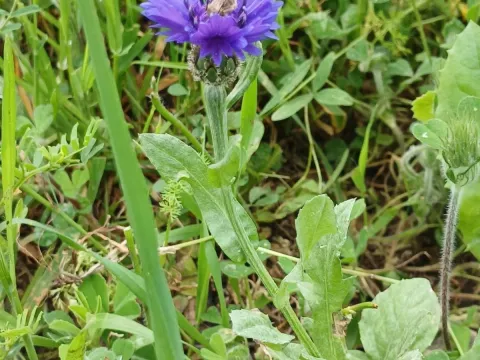
Cornflower
Centaurea cyanoides
Cornflower (Centaurea cyanoides) is a charming annual plant belonging to the Asteraceae family. For optimal results, seeds should be sown in early spring as soon as the soil can be worked and warmed by the sun to approximately 10 degrees Celsius.
What the section contains
Cornflower
The seeds require shallow planting, typically between 1 and 2 centimeters deep. Because they have a long taproot, direct sowing is highly recommended over transplanting, as the latter often causes severe growth stunting.
In field production, row sowing is the standard practice, with rows spaced 30 to 45 centimeters apart. This spacing is essential for mechanical weeding and providing enough room for each plant to develop a bushy, floriferous habit.
Cold-climate gardeners may also experiment with autumn sowing, provided the soil is well-drained. This allows for earlier establishment and a more vigorous bloom cycle once the spring temperatures rise.
Success depends on maintaining a population density of roughly 25 plants per square meter. Overcrowding should be strictly avoided to prevent uneven development and potential issues with air circulation.
Cornflower is a sun-loving plant that requires full, unobstructed sunlight throughout the day. In shaded areas, the plant tends to become leggy, and the iconic blue color of the flowers fades significantly.
The crop thrives in well-drained, fertile soil that ranges from sandy loam to neutral clay. It is particularly sensitive to waterlogged conditions, which lead to root rot and diminished flower quality within just a few days.
While the species is relatively drought-tolerant once established, supplemental irrigation is necessary during the bud-forming phase to ensure high yields. Regular watering helps maintain the turgor of the vibrant petals.
Fertilization with a balanced NPK ratio is beneficial in the early growth stages, but nitrogen levels should be moderated. High nitrogen encourages lush green foliage at the expense of floral development, which is the primary economic component.
Soil cultivation, including light hoeing between rows, is necessary to keep the area free of weeds. Weed suppression is critical during the first month, as the young seedlings are slow to establish and compete poorly with aggressive weeds.
The most common disease affecting cornflower is powdery mildew, which appears as a white, dusty layer on the foliage. This disease is most prevalent in areas with high humidity or stagnant air conditions.
Aphids are the primary insect pest for this crop. They aggregate on the tender stem tips and flower buds, drawing out plant juices and potentially transmitting viruses that distort the growth of the cornflower.
Rust, characterized by brown spots on the underside of leaves, can also be a significant issue in rainy seasons. Proper hygiene, such as removing infected plant parts immediately, is essential to stop the spread of fungal spores.
Using integrated pest management, such as encouraging beneficial insects like ladybugs, can naturally control aphid populations without the need for harsh chemicals. This is vital for organic or medicinal production.
Monitoring the fields regularly for early signs of leaf discoloration or abnormal growth patterns allows for targeted interventions, minimizing the need for broad-spectrum pesticide applications.
Harvesting should be timed for the peak of the flowering period, when the marginal ray florets are fully expanded but the central disk florets have not yet completely opened or wilted.
Manual harvesting of flower heads is standard for high-quality batches. The heads should be plucked clean, ensuring no coarse stems are included, as they can reduce the value and efficiency of the drying process.
After collection, the flowers must be dried as quickly as possible. The ideal drying environment is a cool, dark, and well-ventilated room to prevent the degradation of the delicate blue pigments.
Artificial drying at temperatures between 35 and 45 degrees Celsius is acceptable, provided the airflow is continuous. Excessive heat will cause the flowers to turn brown or dull, losing their market appeal.
Once dried, the product should be stored in opaque, airtight containers to keep it away from light and humidity. Properly processed cornflower can maintain its vivid appearance and properties for up to 18 months in storage.