
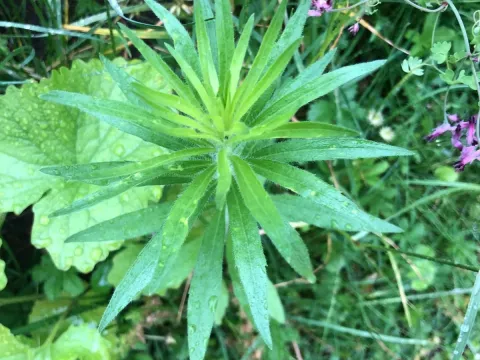
Horseweed
Conyza
Horseweed (Conyza), a genus belonging to the Asteraceae family, is recognized globally as a significant agricultural weed. It is primarily known for its rapid spread and adaptability in various environments, from cultivated fields to industrial sites.
What the section contains
 Bilbao fleabane
Conyza bilbaoana
Bilbao fleabane
Conyza bilbaoana
 Conyza apurensis
Conyza daveauiana
Conyza daveauiana
Conyza japonica
Conyza japonica
Conyza apurensis
Conyza apurensis
Conyza daveauiana
Conyza daveauiana
Conyza japonica
Conyza japonica
 Conyza lineariloba
Conyza mixta
Conyza mixta
Conyza lineariloba
Conyza lineariloba
Conyza mixta
Conyza mixta
 Conyza pinnata
Conyza pinnata
Conyza pinnata
 Conyza podocephala
Conyza podocephala
Conyza podocephala
 Conyza primulifolia
Conyza primulifolia
Conyza primulifolia
 Conyza pyrrhopappa
Conyza steudelii
Conyza steudelii
Conyza pyrrhopappa
Conyza pyrrhopappa
Conyza steudelii
Conyza steudelii
 Conyza ulmifolia
Conyza ulmifolia
Conyza ulmifolia
 White-flowered horseweed
Conyza leucantha
White-flowered horseweed
Conyza leucantha
Horseweed
Originating from the Americas, species such as Conyza canadensis have established a cosmopolitan distribution. These plants are winter or summer annuals, demonstrating incredible vigor in colonizing disturbed soil conditions.
The plant thrives in diverse climate zones, showing a high tolerance for varying soil pH levels and moisture regimes. It prefers full sun exposure and often dominates areas where native vegetation has been removed or disrupted by tillage.
Morphologically, horseweed features a tall, unbranched or slightly branched stem covered with hair-like structures. Its small, inconspicuous flowers are organized into clusters that facilitate efficient wind-assisted seed dispersal over long distances.
From an agronomical perspective, its rapid biomass accumulation is the most significant feature. A single mature plant can produce hundreds of thousands of seeds, which makes containment an urgent task for farm management.
Horseweed acts as a serious competitor for nitrogen, phosphorus, and potassium in soil, significantly reducing the yield potential of crops like soybean, corn, and winter wheat. It effectively intercepts sunlight, hindering the growth of younger crops.
Common pests associated with horseweed include aphids and various beetle species. While these insects can cause minor damage to the plant, they rarely reduce the competitive pressure of horseweed in a productive field environment.
Regarding diseases, the plant is relatively resilient. While it can host some fungal pathogens, it remains highly successful in surviving under unfavorable conditions, which poses a constant challenge for agricultural biosecurity.
Management requires an integrated approach. Mechanical tillage is most effective if performed early in the season before the plant transitions to its reproductive phase. Once established, horseweed is difficult to eradicate manually.
Chemical management is complicated by widespread glyphosate resistance. Farmers are encouraged to use diversified herbicide programs, including PRE and POST-emergence applications of products with alternative modes of action to manage resistant populations.