
White-flowered horseweed
Conyza leucantha
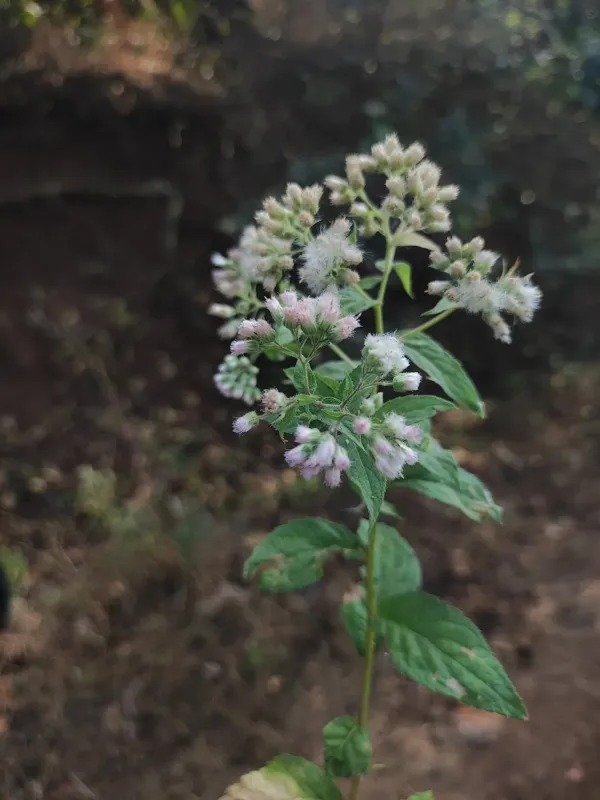
Description
Sowing dates
Conyza leucantha, belonging to the Asteraceae family, is an annual herbaceous plant. The timing for sowing varies depending on the specific climatic region, but early spring is generally considered the optimal period.
In regions with milder winters, sowing can be performed in late autumn, which allows the seeds to take advantage of early spring moisture for uniform germination.
Due to the small size of the seeds, they should be sown shallowly, ideally at a depth of 1 to 2 centimeters to ensure adequate contact with the soil and sufficient light exposure.
Maintaining proper spacing between rows, typically 30 to 45 centimeters, is essential to allow for mechanical weeding and proper air circulation around the plants.
Modern precision planting equipment is recommended for uniform seed placement, which is a key factor in achieving high plant density and maximizing overall productivity.
Growing requirements
This crop has a high demand for solar radiation; therefore, choosing open, well-lit sites is essential to prevent etiolation and ensure the high quality of the harvested material.
Conyza leucantha thrives in light, well-drained sandy or loamy soils with a neutral or slightly alkaline pH level, which promotes robust root development.
While the species exhibits moderate drought tolerance, it requires consistent moisture throughout the growing season to reach its full biomass potential, especially during the budding phase.
Balanced fertilizer application is beneficial for vigorous growth, though nitrogen levels should be managed to avoid overly succulent stems that may be prone to lodging.
Effective soil drainage is a primary requirement, as stagnant water significantly increases the risk of root rot and other fungal complications affecting plant health.
Yield
The yield of Conyza leucantha is directly influenced by agronomic practices and soil fertility. With proper management, the crop produces a significant amount of high-quality biomass.
The primary harvest target is the aerial part of the plant, which should be collected at the peak of the flowering stage when bioactive compound concentrations are at their highest.
Post-harvest handling is critical for maintaining quality, necessitating rapid drying in shaded, well-ventilated areas to preserve essential oils and other valuable compounds.
Yield variability is common and depends heavily on seasonal weather patterns, particularly the distribution of rainfall and the temperature regime during the summer months.
Ongoing selection and breeding efforts focus on developing high-yielding varieties that exhibit improved resistance to biotic and abiotic stresses in the field.
Main diseases and pests
Common plant health issues include powdery mildew, which tends to develop under conditions of high humidity or significant diurnal temperature fluctuations.
Pests such as aphids and spider mites can cause economic damage by feeding on young foliage, which reduces the plant's overall vigor and potential biomass output.
Implementing a diverse crop rotation is a highly effective cultural practice for disrupting the life cycles of soil-borne pathogens and reducing overall infection pressure.
Biological control methods are encouraged as the preferred strategy for managing pests, ensuring the production of residue-free and ecologically sound botanical raw material.
- Regular monitoring of crop fields for early signs of infection.
- Timely cultivation and weeding to reduce competitive pressure.
- Prompt removal and destruction of severely infected individual plants.
Harvesting
Harvesting is typically performed mechanically during dry weather conditions, cutting the aerial portions at a height of 5 to 10 centimeters above the soil surface.
It is vital to time the harvest accurately to avoid seed dispersal, as excessive shedding can lead to both yield loss and unintended propagation in the field.
The collected raw material must be transported immediately to processing facilities to prevent overheating and degradation of the plant's volatile active components.
Post-harvest sorting is necessary to remove impurities and damaged parts, ensuring that the final product meets industrial or pharmaceutical purity standards.
Industrial scale production utilizes controlled temperature drying chambers to ensure uniform moisture reduction and maximum shelf stability of the dried product.