
Conyza lineariloba
Conyza lineariloba
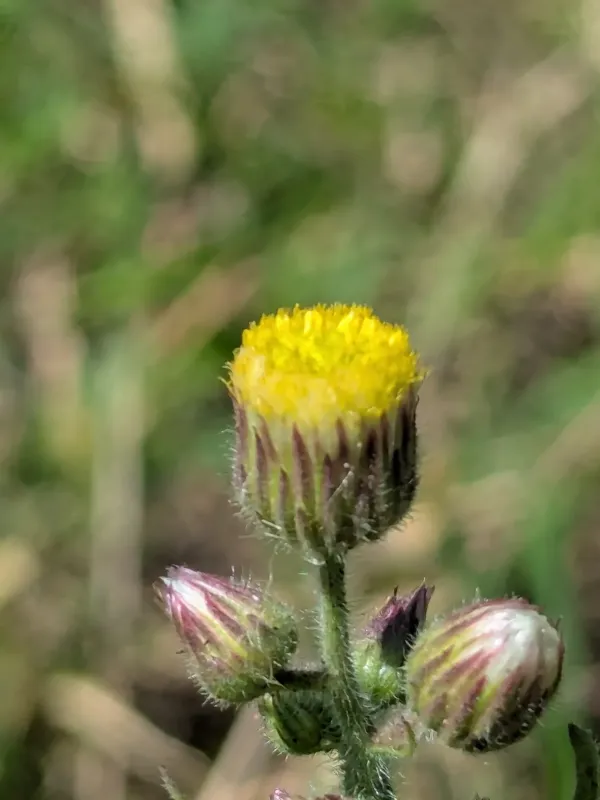
Description
Sowing dates
The sowing of Conyza lineariloba, a member of the Asteraceae family, typically begins in early spring, once soil temperatures reach a stable 8–10 degrees Celsius.
Optimal planting dates vary by climatic region, but ensuring sufficient soil moisture at the time of sowing is crucial for uniform germination and seedling establishment.
A row-planting method is generally recommended, with row spacing maintained at 30–45 centimeters to facilitate mechanical cultivation and weed control throughout the season.
Seeds should be planted at a shallow depth of 1–2 centimeters, as the small seed size makes the crop sensitive to overly deep burial in the soil profile.
Pre-planting site preparation is vital; fields should be cleared of perennial weeds to prevent competition, allowing the crop to establish a strong early vegetative presence.
Growing requirements
This crop prefers well-drained, fertile loamy or sandy-loam soils with a neutral pH level, which encourages robust root system development and efficient nutrient uptake.
Conyza lineariloba is inherently light-demanding and thrives in sunny, open locations where there is minimal risk of waterlogging or prolonged shading from surrounding structures.
During the active growth phase, the plant requires consistent, moderate irrigation to support the rapid development of its foliage and the eventual formation of flowers.
Standard agronomic practices include regular cultivation between rows to break up soil crusts, enhance aeration, and maintain optimal physical conditions for root respiration.
Balanced fertilization, primarily focusing on nitrogen and phosphorus, can significantly boost the overall yield and help the plants withstand various environmental stressors.
Main diseases and pests
Major threats to Conyza lineariloba include fungal pathogens that proliferate under conditions of high humidity, excessive rainfall, or over-dense plant spacing.
Common pests such as aphids and spider mites can severely damage leaf tissue, draining essential fluids and potentially acting as vectors for secondary viral infections.
Integrated pest management strategies should include regular field scouting and the use of targeted biological controls to keep pest populations below economic injury levels.
In cases of significant fungal outbreaks, such as powdery mildew, the application of systemic fungicides is necessary to protect the plant's photosynthetic capability.
Implementing a diverse crop rotation is a highly effective way to break pest cycles and reduce the buildup of soil-borne diseases that can impact long-term yield.
Harvesting
Harvesting should be conducted during the stage of physiological maturity, indicated by the seeds reaching their characteristic color and the foliage beginning to senescence.
Timing is critical to prevent shattering; once the crop reaches maturity, the seeds can detach easily, leading to significant yield losses if harvest is delayed.
The use of properly calibrated harvesting machinery ensures efficient collection of the seeds while minimizing mechanical damage and impurity content in the harvested grain.
Post-harvest handling requires immediate cleaning of the harvested material followed by drying to reduce moisture content to a safe level for long-term storage.
Proper storage in cool, dry, and well-ventilated areas is essential to maintain the viability of the seeds and prevent the growth of mold or other storage pathogens.