
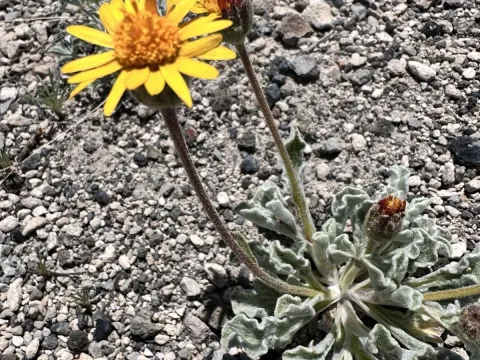
Hulsea
Hulsea
Hulsea is a genus of perennial herbs belonging to the Asteraceae family. These plants are native to the mountainous regions of western North America, thriving in harsh alpine environments.
What the section contains


Hulsea
The botanical structure of Hulsea is marked by glandular hairs on foliage and stems, an adaptive mechanism that assists in moisture retention during long periods of drought.
Successful cultivation requires a substrate with excellent drainage, mimicking the rocky or sandy soils of their natural habitat, as they are highly susceptible to root decay.
These plants require high levels of solar radiation and perform best in settings where they can experience cool nighttime temperatures, typical of high-altitude ecosystems.
In terms of soil management, the pH should be neutral to slightly acidic, and it is imperative to avoid excessive fertilization, as high nutrient levels can weaken the plant structure.
The most significant threat to the health of Hulsea is root rot, primarily caused by waterlogged soil conditions, which the plants struggle to recover from once established.
Powdery mildew can become a major concern in environments with poor air circulation or high humidity, negatively impacting both the aesthetic appeal and the vigor of the plant.
Pests such as aphids and spider mites can colonize the foliage during the growing season, necessitating close monitoring and appropriate horticultural practices for control.
Soil-dwelling insects that feed on roots are particularly dangerous, as they can cause irreversible damage before symptoms are even visible above the ground.
Maintaining a sterile growing medium, ensuring adequate airflow, and preventing moisture accumulation around the crown are critical management strategies to mitigate these risks.