
Conyza pyrrhopappa
Conyza pyrrhopappa
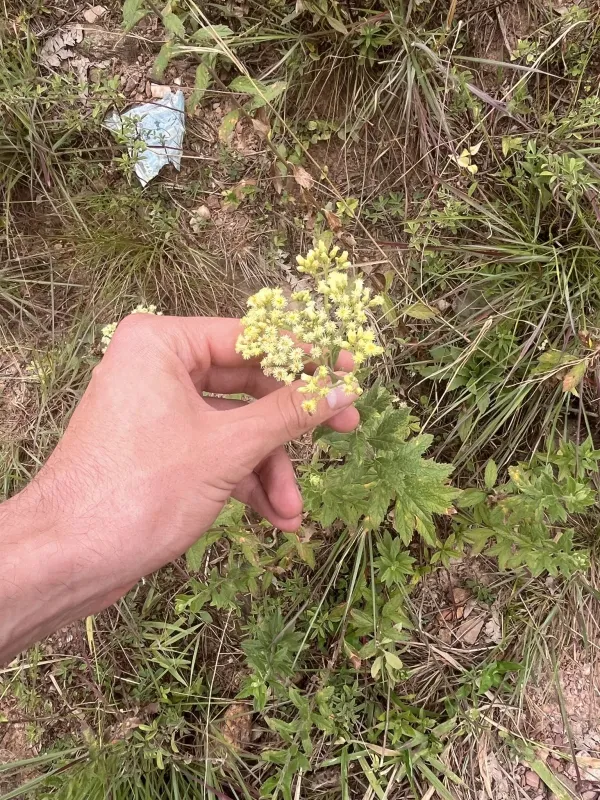
Description
Sowing dates
Conyza pyrrhopappa is a herbaceous perennial belonging to the Asteraceae family. For optimal establishment, sowing is performed in the spring season when soil temperatures reach 12–15 degrees Celsius consistently, ensuring favorable conditions for germination.
Proper seedbed preparation is essential, as the seeds are small and require surface or shallow placement, typically no deeper than 1–2 centimeters. Uniform sowing depth ensures that seedlings emerge simultaneously, reducing competition for resources among individual plants.
For large-scale cultivation, drilling is the preferred method, as it facilitates mechanical weed control and uniform plant density across the field. In regions with milder climates, late autumn sowing may also be considered, allowing for early spring growth utilizing winter moisture.
Initial irrigation following the sowing process is highly recommended to improve seedling emergence rates. Providing adequate moisture during the first few weeks ensures that the root system develops sufficiently before the onset of potential summer dry spells.
Selecting appropriate plant density based on the intended use—whether for green biomass or seed production—is a crucial management decision. Properly spaced rows allow for better airflow and light penetration, enhancing the overall vigor of the crop stands.
Growing requirements
The crop thrives in well-drained, fertile soils with a neutral to slightly acidic pH range. Its natural resilience allows it to adapt to various soil types, although it performs best in soils with good organic matter content and proper aeration.
Conyza pyrrhopappa is a sun-loving plant that requires open, sunny locations to achieve maximum biomass production. Shading significantly impairs the photosynthetic process and can lead to leggy, weak stems that are prone to lodging.
The plant demonstrates remarkable drought tolerance once established, thanks to its deep taproot system. It prefers an temperate climate where average temperatures stay within the 20–25 degree Celsius range during the main growth stages, supporting constant biomass accumulation.
Fertilization management should be focused on phosphorus and potassium to encourage robust root growth and resistance to environmental stress. Organic amendments incorporated before planting provide long-term nutrient availability for the perennial stand.
Proper field management, including inter-row cultivation, is necessary to minimize weed competition and improve gas exchange in the soil. Maintaining healthy moisture levels while preventing waterlogging ensures the longevity and productivity of the perennial planting.
Yield
Biomass yield for Conyza pyrrhopappa is highly competitive when grown under managed conditions. Through multiple harvests per season, especially in well-irrigated areas, farmers can significantly increase the total productivity per hectare.
Peak biomass yield is typically achieved at the early flowering stage, when the nutritional concentration within the plant tissues is highest. Timely harvesting at this stage ensures the best quality of forage or raw material for processing.
Yield monitoring through periodic field assessments helps agronomists refine fertilization schedules and harvest timing. Consistently high yields are possible when crop rotation practices are followed to prevent soil nutrient depletion over consecutive years.
Post-harvest recovery is rapid if environmental conditions remain favorable and the plants are managed correctly. In perennial setups, applying light fertilization after harvest stimulates the regrowth of the next cycle of vegetation.
The economic viability of the crop is supported by its consistent performance and relatively low input requirements once established. Implementing mechanical harvest techniques further improves labor efficiency, making it an attractive option for modern agricultural systems.
Main diseases and pests
Fungal diseases occurring in humid conditions represent the primary threat to stand health. Symptoms such as leaf spots or powdery mildew require prompt attention through integrated pest management to prevent significant yield losses.
Pests that feed on the foliage can cause considerable damage, especially during early developmental stages or during periods of environmental stress. Regular field scouting is vital to detect infestations before they reach economic injury levels.
Adherence to a strict crop rotation schedule helps minimize the buildup of soil-borne pathogens and insect populations. Avoiding monocropping is a fundamental preventive measure in maintaining the long-term health of the field.
Weed management remains critical, as many common weeds serve as alternative hosts for diseases and pests that can attack the crop. Effective control measures, including mechanical cultivation, reduce the need for chemical intervention.
Professional agronomic oversight ensures that any phytosanitary issues are addressed immediately. Utilizing resistant varieties, when available, is the most sustainable approach to managing threats and maintaining consistent crop quality over time.
Harvesting
Harvesting is executed at the onset of the flowering stage, which represents the optimal balance between biomass volume and nutritional density. Delayed harvesting leads to stems becoming overly lignified, reducing their utility as forage material.
For mechanical harvesting, modern mower-conditioners are used to cut and process the material efficiently. This allows for uniform biomass particle size, which is beneficial for both immediate feeding and subsequent ensiling processes.
Once harvested, the material must be processed promptly to prevent heating or decomposition, which degrade quality. Whether via field drying for hay or rapid ensiling, storage conditions are critical for maintaining the product's integrity.
Efficient logistics during the harvest season are essential to keep the period between cutting and storage minimal. Timely transport from the field to the facility preserves the moisture content and nutritional value of the raw material.
Following the final harvest of the season, field cleanup and preparation for winter are necessary to protect the perennial rootstocks. Proper field maintenance ensures a strong, productive start when the next growing season commences.