
Conyza podocephala
Conyza podocephala
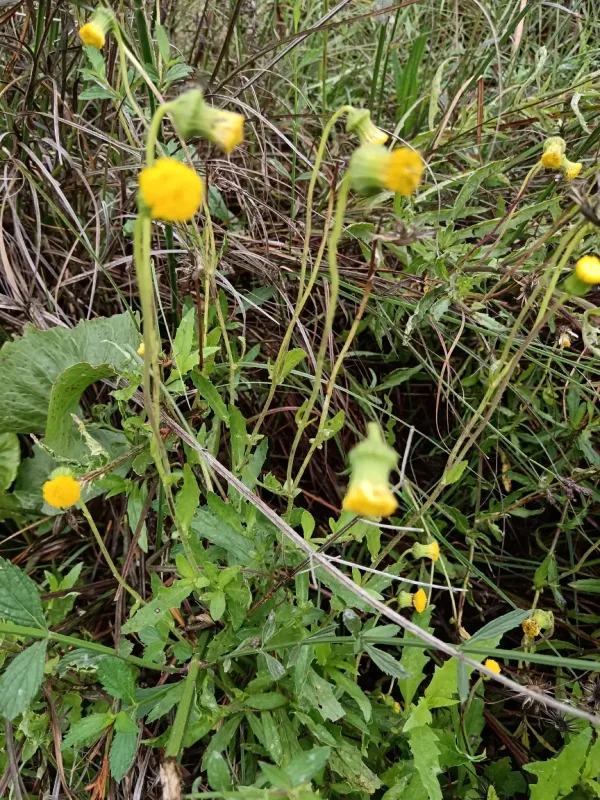
Description
Sowing dates
Conyza podocephala is a member of the diverse Asteraceae family. While it is often treated as a weed in agricultural settings, its biological resilience makes it a subject of interest in plant studies.
The life cycle of this plant is characterized by rapid development and high seed dispersal efficiency. Wind-aided seed dissemination allows the species to colonize vacant and disturbed areas quickly.
Germination typically occurs in early spring, following the warming of the soil. The plant quickly establishes a rosette, providing a competitive advantage over slower-growing species in the field.
Botanically, it shows distinct morphological features that allow it to thrive in varied environmental conditions. Its ability to adapt to diverse ecological niches is a key component of its success.
In agricultural practice, understanding the biological cycle of this plant is essential for developing effective prevention and control strategies to ensure crop protection and high yields.
Growing requirements
This species does not demand high soil fertility and can thrive in degraded or nutrient-poor substrates. It demonstrates significant tolerance to periodic droughts, which is facilitated by an efficient root system.
It prefers well-lit, sunny habitats, as high solar radiation is critical for the development of its reproductive organs. Shading can significantly reduce biomass accumulation and seed production.
Neutral or slightly alkaline soils with good aeration provide the best conditions for growth. Excessively waterlogged soils are generally unfavorable and can limit the spread of the species.
The plant is highly adaptable to moderate climate zones. While it prefers warm temperatures during the growing season, it can survive various environmental stressors common in open landscapes.
Proper agricultural management involves early detection and mechanical or chemical intervention. Maintaining a healthy crop canopy is often sufficient to outcompete this plant in managed fields.
Main diseases and pests
Pests such as aphids and leaf beetles often target Conyza species, feeding on leaf tissue and sap. While they rarely destroy the population, they can significantly stress the plants.
Fungal diseases like powdery mildew are common in humid conditions with limited airflow. This infection manifests as a white powdery coating on the foliage and inhibits healthy development.
Root rot caused by poor soil drainage can lead to the wilting and death of the plant. This is particularly problematic in heavy clay soils that retain excess moisture for long periods.
Viral infections may be transmitted by insect vectors, leading to chlorosis and stunted growth. Infected plants often become less vigorous and more susceptible to secondary environmental issues.
Integrated pest management, including crop rotation and proper tillage, is recommended to keep populations in check. Strategic herbicide application is also an option for large-scale agricultural operations.