
Chrysolaena flexuosa
Chrysolaena flexuosa
Description
Growing requirements
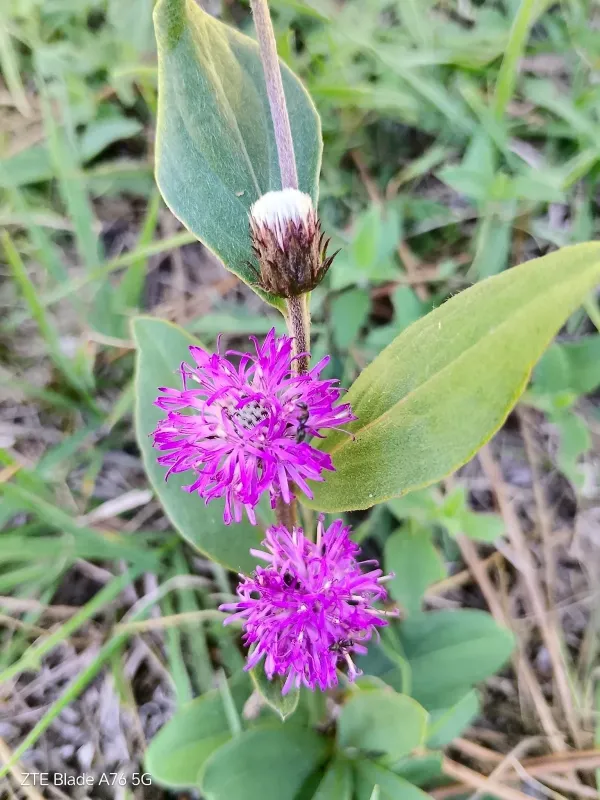
Chrysolaena flexuosa is a perennial herbaceous plant belonging to the Asteraceae family. It is characterized by its distinctive flexuous stems and robust foliage, which provide significant structural integrity in natural grassland ecosystems.
The native habitat of this species is primarily located in South America, spanning across regions in Brazil, Argentina, and Paraguay. It thrives in open savannah-like environments where it is adapted to high light exposure and fluctuating moisture levels throughout the year.
Agricultural success with this plant depends on soil drainage; it performs best in sandy or loamy substrates. It is known for being relatively tolerant of low-fertility soils, making it an excellent candidate for marginal land management and biodiversity restoration projects.
Climatic requirements are focused on warm temperatures during the growing season. The plant demonstrates high resilience to heat and temporary water stress, which is a critical evolutionary advantage in its endemic, seasonally dry environments.
Beyond its ecological role, Chrysolaena flexuosa is valued for its potential in erosion control and soil stabilization. Its extensive root system helps to maintain soil architecture, preventing degradation and supporting the development of stable plant communities.