
Chrysolaena cognata
Chrysolaena cognata
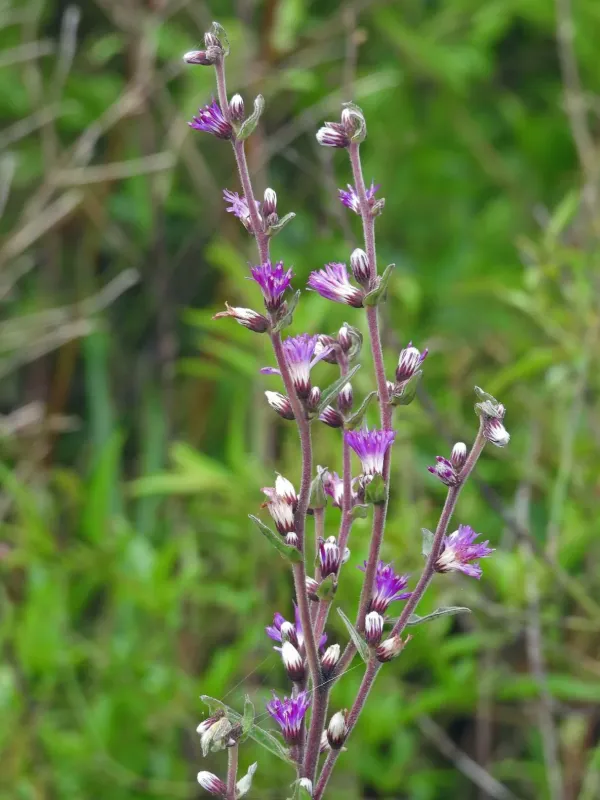
Description
Sowing dates
The optimal time for sowing Chrysolaena cognata seeds is in early spring, once the soil has warmed up and the risk of late frosts has passed.
Stratification of seeds for several weeks in a cold environment significantly enhances germination rates and ensures a more uniform plant stand.
Seedlings should be prepared in containers with well-draining soil before being transplanted into the final growing site during late spring or early summer.
Minimal soil coverage is essential for the seeds because exposure to light is often a physiological requirement for the germination of this species.
Spacing the plants adequately, at least 40 centimeters apart, allows for proper airflow and prevents competitive stress among the growing specimens.
Growing requirements
Chrysolaena cognata is a perennial plant that belongs to the diverse and widespread Asteraceae family, known for its adaptability to various environments.
This species thrives in full sun conditions, which are necessary to maintain its structural integrity and encourage the development of its distinctive foliage.
The plant demonstrates a strong preference for sandy or loamy soils that possess excellent drainage capabilities, preventing water from accumulating around the crown.
Regarding climate, it is well-suited to temperate zones, where it shows remarkable resilience to seasonal variations in temperature and periodic lack of moisture.
Soil nutrient levels should be maintained at a moderate level, as over-fertilization can sometimes lead to excessive, weak growth rather than robust flowering.
Main diseases and pests
Fungal diseases, particularly root rot, represent the most significant threat to Chrysolaena cognata, especially when soil moisture levels remain consistently high.
Powdery mildew can frequently affect the leaves during periods of high humidity, necessitating proper spacing to ensure that foliage dries out quickly.
Common pests such as aphids and spider mites can attack the plants during dry summer months, draining plant vigor and creating entry points for secondary infections.
Effective management includes regular inspection of the plants and the removal of any diseased foliage to prevent the spread of pathogens across the plantation.
Cultural practices such as crop rotation and the maintenance of a weed-free perimeter contribute to the overall health and productivity of the crop.