
Chrysanthemum shimotomai
Chrysanthemum shimotomai
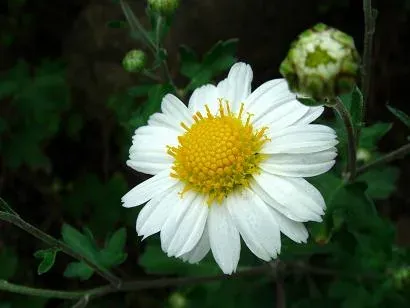
Description
Growing requirements
Chrysanthemum shimotomai is a perennial herbaceous plant belonging to the Asteraceae family. This species is recognized for its unique botanical traits and specific growth habits that distinguish it from standard garden chrysanthemum cultivars.
The plant thrives in well-ventilated locations with full sun exposure. It requires a specific climate range to reach its full potential, favoring moderate temperatures between 18°C and 22°C for optimal photosynthetic activity.
Soil requirements for this crop involve a well-drained medium with a slightly acidic to neutral pH. High organic matter content is essential for sustaining the growth of the root system and ensuring vigorous development of the aerial parts.
Consistent moisture management is necessary throughout the growing season. While the plant needs regular irrigation, the soil must be allowed to dry slightly between waterings to prevent the development of root pathogens.
Agronomic practices include precise fertilization schedules. Providing a balanced ratio of essential nutrients during the vegetative stage helps in building strong stems and a robust framework for subsequent flower production.
Main diseases and pests
The primary diseases affecting this crop are fungal in nature, particularly powdery mildew and gray mold (Botrytis). These conditions are often exacerbated by poor air circulation and high relative humidity levels around the foliage.
Pest pressures primarily come from aphids and whiteflies, which feed on sap and can act as vectors for various plant viruses. Integrated pest management strategies are highly recommended to minimize the use of synthetic chemicals.
Spider mites represent another common threat, especially in drier environments. Early detection is vital, and periodic inspection of the underside of leaves can prevent major outbreaks during the summer months.
Root rot caused by stagnant water is a serious threat to the longevity of the plant. Ensuring the planting site has excellent drainage or using raised beds can significantly mitigate this risk in heavy soil areas.
Proper sanitation is the cornerstone of plant health. Removing dead or infected leaves immediately and maintaining a clean growing environment helps prevent the overwintering of pathogens near the crop.