
Arctic chrysanthemum
Chrysanthemum arcticum
Arctic chrysanthemum (Chrysanthemum arcticum) is a resilient perennial belonging to the Asteraceae family. It is a highly specialized plant adapted to thrive in the harshest northern conditions of the world.
What the section contains
Arctic chrysanthemum
The plant originates from the circumpolar regions of North America, Europe, and Asia. It is naturally accustomed to coastal, rocky habitats where temperatures drop significantly and weather conditions remain unpredictable throughout the year.
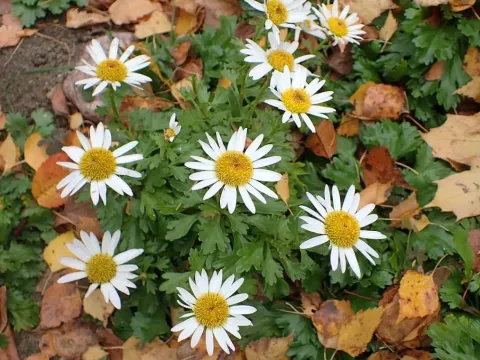
Botanically, it forms compact, low-growing mounds, typically reaching heights of 20 to 40 cm. The foliage is deeply lobed, and the flowers display charming white petals with a golden-yellow center, blooming when many other garden plants have already finished.
Requirements for the species include well-drained, nutrient-poor, or average soils, mimicking its natural rocky habitat. It demands full sun exposure to produce vigorous growth and maintain its compact, mounding form throughout the growing season.
In terms of хозяйственное usage, the Arctic chrysanthemum is primarily utilized in alpine gardens, borders, and rockeries. Its extreme cold hardiness makes it a valuable asset for gardeners in northern climates looking for reliable perennials.
The primary threats to the health of the Arctic chrysanthemum are fungal pathogens caused by waterlogged soil and poor aeration. Root rot is a significant danger if the planting site does not provide adequate drainage during the winter thaw.
Pests such as aphids may occasionally colonize the plant during warm spells. Integrated pest management, including monitoring and environmental control, is sufficient to keep these threats at bay and ensure plant longevity.