
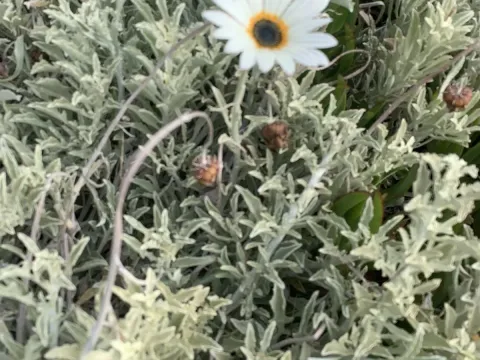
Arctotis
Arctotis L.
Arctotis, commonly known as African daisy, is a decorative genus belonging to the Asteraceae family. It is typically grown as an annual in cooler climates.
What the section contains
 Arctotis acaulis
 L.
Arctotis acaulis
Arctotis acaulis L.
 Arctotis arctotoides
 (L. f.) O. Hoffm.
Arctotis arctotoides
Arctotis arctotoides (L. f.) O. Hoffm.
 Arctotis breviscapa
 Thunb
Arctotis breviscapa
Arctotis breviscapa Thunb
 Arctotis fastuosa
 Jacq.
Arctotis fastuosa
Arctotis fastuosa Jacq.
 Arctotis stoechadifolia
 P. J. Bergius
Arctotis stoechadifolia
Arctotis stoechadifolia P. J. Bergius
 Arctotis venusta
 Norl.
Arctotis venusta
Arctotis venusta Norl.
 Arctotis x hybrida
 hort.
Arctotis x hybrida
Arctotis x hybrida hort.
Arctotis
Sowing starts in late winter or early spring in a greenhouse or indoors. Seeds should be sown in a well-drained, sterile potting mix and covered lightly with vermiculite.
Germination requires steady temperatures between 18 and 22 degrees Celsius. It is crucial to maintain consistent moisture without waterlogging the seed trays.
Transplanting outdoors occurs once all risks of frost have passed. Plants should be hardened off for a week before moving them to their permanent location.
Spacing is vital for healthy growth. Allow 30 to 45 centimeters between individual plants to encourage lateral branching and prevent overcrowding.
This crop is native to Southern Africa and demands full sun exposure to flourish. It closes its inflorescences during cloudy weather or at night.
Soil requirements include excellent drainage. Arctotis thrives in sandy, nutrient-poor, or average garden soil and dislikes heavy, moisture-retentive clays.
The plant is highly drought-tolerant once established. Watering should be infrequent, allowing the soil to dry out significantly between irrigation cycles.
Little to no fertilization is required, as excessive nitrogen leads to lush foliage growth at the expense of flower production.
Deadheading spent blooms is recommended to prolong the flowering season and prevent energy diversion to seed production.
The primary threats to Arctotis are fungal pathogens such as grey mould (Botrytis), which thrive in humid and poorly ventilated conditions.
Pests like aphids and spider mites can become problematic during hot, dry spells, necessitating regular inspection of the leaf undersides.
Root rot is the most common physiological issue, usually caused by overwatering or soil that lacks proper aeration and drainage.
Cultural control measures, such as providing adequate plant spacing and ensuring good airflow, are the most effective ways to prevent disease outbreaks.
If chemical intervention is necessary, apply appropriate fungicides or miticides according to the instructions to avoid phytotoxic damage.