
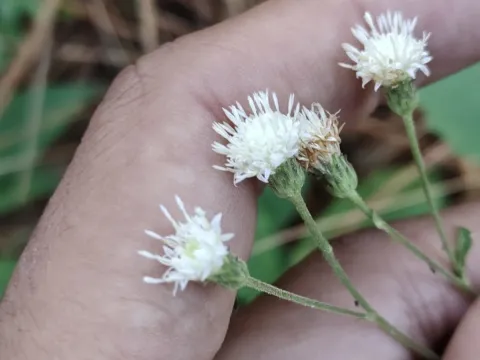
Archibaccharis
Archibaccharis
Archibaccharis is a genus of flowering plants belonging to the Asteraceae family. These plants range from herbaceous perennials to shrubs and are primarily native to the mountainous regions of Central and South America, where they thrive in diverse ecological niches.
What the section contains

Archibaccharis
The cultivation of this genus requires a location with well-draining soil to prevent root rot, which is a common issue for these species. They prefer a substrate that is rich in organic matter and maintains a slightly acidic to neutral pH level for optimal nutrient absorption.
Regarding climate, Archibaccharis prefers moderate temperatures and is well-adapted to cooler highland environments. They are sensitive to intense heat waves and severe winter frosts, requiring shelter or specialized greenhouse conditions in regions with harsh weather patterns.
Light requirements are significant for this plant, as it typically grows best in bright, indirect light. Full sun exposure is acceptable in cooler climates, but partial shade is often preferred in warmer zones to protect the foliage from scorching during the afternoon.
Agricultural management includes regular moisture monitoring and controlled fertilization schedules. It is essential to prune the plants periodically to encourage bushy growth and maintain their aesthetic value when used in landscaping or specific plant collections.
The primary threats to Archibaccharis involve soil-borne pathogens such as Pythium and Phytophthora, which thrive in waterlogged environments. These diseases can devastate plantings rapidly, making proper soil drainage a non-negotiable requirement for success.
Insects like aphids and spider mites are frequent pests, particularly in dry and sheltered conditions where natural predator control is absent. Monitoring the undersides of leaves is critical for detecting early infestations before they spread across the entire collection.
Powdery mildew is a prevalent fungal disease that appears during periods of high humidity and poor air circulation. Improving airflow between plants and avoiding overhead irrigation can significantly reduce the risk of this infection occurring in the nursery.
Root-knot nematodes can also pose a serious threat to the vitality of the plant, especially in warm, sandy soils. Implementing strict sanitation protocols and using sterilized potting media for container-grown specimens helps in managing this specific pest challenge.
Effective management requires a combination of preventative cultural practices and, if necessary, targeted chemical interventions. Keeping the growing area clean and removing any dead or decaying plant material helps maintain a healthy environment for the crop.