
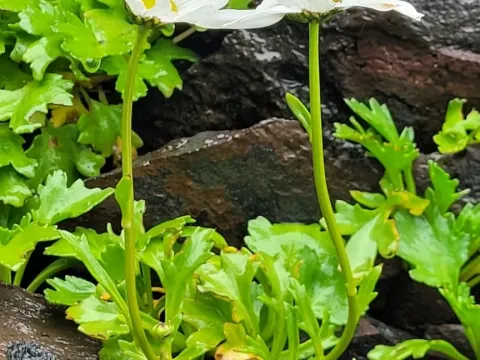
Arctanthemum
Arctanthemum
Arctanthemum is a genus of perennial herbaceous plants belonging to the Asteraceae family. These plants are closely related to chrysanthemums and are highly valued for their ruggedness and late-season decorative appeal.
What the section contains
Arctanthemum
Native to the regions of East Asia, including the Far East and Japan, Arctanthemum has evolved to thrive in harsh environments. They are typically found in rocky slopes and high-altitude grasslands, which makes them highly resilient perennials.
The plant requires well-drained, sandy or loamy soil to flourish. It is critical to avoid waterlogged conditions, as the root system is sensitive to prolonged moisture, which can easily lead to decay during the dormant period.
In terms of climate requirements, Arctanthemum is exceptionally cold-hardy. It prefers full sun exposure to promote dense foliage and vibrant flowering, though it can tolerate partial shade in hotter climates.
Cultivation practices involve minimal maintenance beyond initial soil preparation. It is an excellent choice for rock gardens, dry borders, and landscapes where drought tolerance and seasonal interest are required.
Arctanthemum is generally robust, but it can be susceptible to common fungal issues like powdery mildew if air circulation is poor or if the site remains too damp for extended periods.
Root rot is the most serious threat, occurring almost exclusively in heavy, water-retaining soils. Improving soil structure with grit or gravel is the best preventative measure against this condition.
Insect pests such as aphids and spider mites may occasionally infest the plants during hot, dry spells. Regular monitoring of the undersides of the leaves is recommended to catch infestations early.
Cultural control, such as removing debris from around the plant base in autumn, significantly reduces the overwintering potential for both pests and fungal spores.
Maintaining a healthy, stress-free plant through correct site selection and proper spacing is the most effective way to prevent the occurrence of diseases and pest damage.