
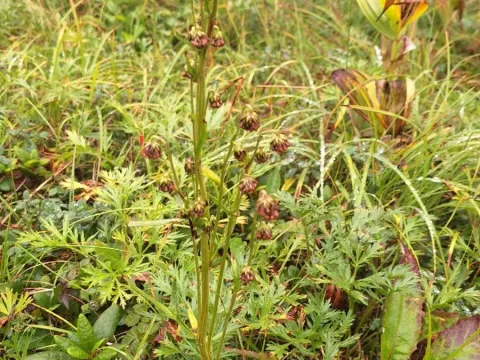
Arctic wormwood
Artemisia arctica
Arctic wormwood (Artemisia arctica) is a perennial herbaceous plant belonging to the Asteraceae family. It is native to the circumpolar regions, thriving in arctic and alpine environments characterized by harsh winters.
What the section contains
Arctic wormwood
Botanically, the plant is known for its deep-lobed foliage and distinct aromatic properties. It typically grows in clumps, forming mats that help insulate the root system against extreme temperature fluctuations.
Cultivation requires conditions that mimic its natural habitat: excellent drainage and high solar exposure. It is highly intolerant of waterlogged soils, which quickly lead to root decay in cultivated environments.
Soil requirements involve low to moderate fertility. It is perfectly adapted to rocky or sandy soils, and excessive nutrient input often results in reduced oil concentration and compromised plant vigor.
Temperature management is secondary to moisture management, as the plant is naturally resistant to freezing. The primary agronomic goal is to prevent heat stress and humidity-related foliage issues during the summer months.
Root rot is the most significant threat to Arctic wormwood in commercial production, almost always associated with improper irrigation or high-clay soils that do not permit adequate aeration.
Fungal diseases, including leaf rusts, often emerge when air circulation is poor. Keeping adequate spacing between plants is essential to ensure that foliage dries out quickly after rainfall or irrigation.
Pests such as aphids may colonize the soft, new growth during the spring. Early detection and manual removal or the application of insecticidal soaps are typically sufficient to manage localized outbreaks.
Powdery mildew can become an issue if the plant is grown in shaded areas with stagnant air. This disease is particularly problematic as it disfigures the leaves and reduces the commercial value of the herb.
Effective management requires rigorous adherence to crop hygiene, including the removal of dead or diseased biomass to prevent the overwintering of pathogens that could infect the following year's crop.