
Arctotis hybrids
Arctotis hybrids
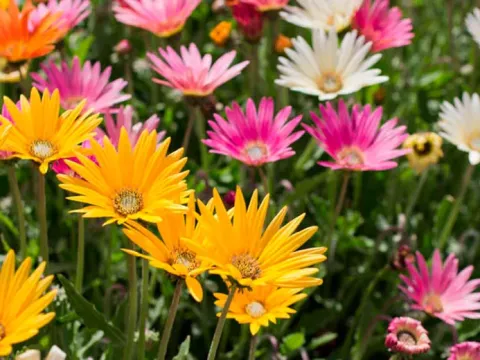
Arctotis hybrids are vibrant members of the Asteraceae family, originating from South Africa. For early flowering, seeds are typically sown in greenhouses or indoors during March in a well-draining, sterile seed starting mix.
What the section contains
Arctotis hybrids
Transplanting into the garden should occur only after the risk of frost has passed, usually late May or early June. Due to their sensitive root system, it is recommended to use peat pots to minimize transplant shock.
In regions with long, warm seasons, direct sowing into the final location is possible once the soil has sufficiently warmed. Seeds should be planted at a shallow depth of about 0.5 cm to ensure proper germination.
Maintaining proper spacing is critical for healthy development. Plants should be set 25 to 30 centimeters apart to promote adequate air circulation and prevent the development of foliage-related diseases.
For optimal germination, temperatures should be maintained between 20 and 22 degrees Celsius. Once the seedlings emerge, they require high levels of natural light to prevent etiolation and ensure a sturdy stem structure.
Arctotis hybrids are sun-loving plants that require full sun exposure to thrive and produce blooms. Inadequate light conditions will result in leggy plants and significantly reduced floral display throughout the season.
The soil must be light, porous, and possess excellent drainage characteristics. While they can tolerate average fertility, the primary focus must be on preventing moisture accumulation around the roots, as they are susceptible to rot.
These plants are highly valued for their drought tolerance once established. They require infrequent, deep watering, which encourages deeper root development, making them ideal for xeriscaping or dry-summer climates.
The ideal temperature range for vegetative growth is between 20 and 25 degrees Celsius. While they can withstand temporary fluctuations, prolonged wet and cool weather is detrimental to their overall health and vigour.
Routine maintenance includes light cultivation of the topsoil to maintain aeration and weed control. During the peak blooming phase, a balanced liquid fertilizer can be applied to sustain the energy required for constant bud production.
Root rot is the most common agronomic threat, primarily caused by over-irrigation or soil that lacks proper drainage. It is essential to allow the soil surface to dry out between waterings to prevent this condition.
Aphids often target the soft, new growth and flower buds, particularly during dry spells. Early identification and the use of insecticidal soaps or systemic treatments can effectively control infestations without harming the plant.
Powdery mildew can occur in environments with high humidity and poor air circulation. Proper spacing of plants is the primary cultural control method, supplemented by fungicide applications if infection persists.
Spider mites represent a significant pest concern during hot, dry summer months. They thrive in dry air, causing leaf stippling and general decline if their populations are not managed through regular monitoring and appropriate acaricides.
To ensure a successful yield of high-quality flowers, maintain rigorous garden sanitation by removing dead foliage and debris. Healthy, unstressed plants will naturally demonstrate greater resistance to common garden pathogens.