
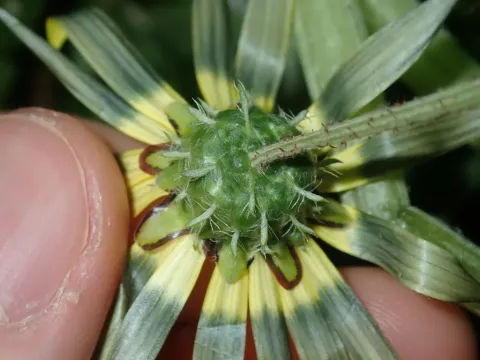
Arctotheca
Arctotheca
Sowing Arctotheca seeds in a controlled environment should be done in late winter or early spring, approximately 8–10 weeks before the last frost date. For successful germination, seeds require a stable temperature of around 18–20 degrees Celsius.
What the section contains

Arctotheca
In regions with a mild climate, direct sowing into open ground is possible once the soil has warmed up sufficiently. The best time for this process is during the second half of spring when the threat of night frosts has completely passed.
Seeds should be sown at a depth of no more than 0.5 cm, as they need a certain amount of light to germinate effectively. The substrate surface must be kept moderately moist until the first full sprouts appear.
When using a seedling tray method, prick out the seedlings at the stage of two or three true leaves, moving them into individual containers. Hardening off the seedlings before transplanting is a crucial step that takes about two weeks.
The planting pattern depends on the specific variety: for groundcover forms, a distance of 30–40 cm between plants is usually maintained to create a dense decorative carpet.
Arctotheca is a herbaceous perennial plant belonging to the Asteraceae family. Native to South Africa, it is highly adapted to arid conditions and intense sunlight, making it a robust choice for certain climates.
The plant requires sunny, well-lit locations to develop properly. In shady conditions, Arctotheca stems tend to stretch out and lose their compact form, while flowering becomes sparse or stops completely.
It prefers light, well-drained sandy or sandy-loam soils. Water stagnation is detrimental to the root system, so when cultivating in heavy clay soils, installing a high-quality drainage layer is essential.
While the plant is highly drought-tolerant, it requires regular watering during its active growth phase, especially during extremely hot and dry summer months.
Arctotheca is not frost-hardy; in temperate climates, it is often grown as an annual or requires significant winter protection if temperatures drop below freezing.
The primary threat to Arctotheca is soil waterlogging, which leads to root and stem rot. Upon detecting initial signs of disease, affected specimens should be removed, and the area treated with appropriate fungicides.
Under high humidity, plants may be susceptible to powdery mildew. To combat this fungal disease, spraying with biological or chemical protective agents according to the manufacturer's instructions is recommended.
Among pests, aphids and spider mites cause the most damage, as they feed on the sap of young leaves and buds. Regular inspection of the undersides of the leaves allows for early detection of pest colonies.
To prevent infestations of slugs and snails, especially in humid regions, it is advisable to keep the area weed-free and avoid excessive mulching with fresh organic matter near the stems.
Comprehensive protection strategies include practicing crop rotation and avoiding overcrowded plantings, which facilitates the rapid spread of diseases and pests among healthy plants.
Seed harvesting is carried out after the inflorescences have fully matured and the flower heads start to dry and brown. It is important to collect the seeds before they begin to disperse due to wind.
Cut flower heads should be dried in a well-ventilated, shaded area before threshing and cleaning the seeds of plant debris. Store the seeds in paper bags in a cool, dry place.
For decorative maintenance, removing faded flower heads is a mandatory task that stimulates the production of new blooms and maintains the plant's aesthetic appeal throughout the growing season.
If Arctotheca is used as a groundcover in landscape design, pruning is performed after the main flowering cycle to rejuvenate the growth and ensure a tidy appearance for the following season.
When used in floral arrangements, the flower heads should be harvested at the semi-opened bud stage, which ensures maximum vase life and preserves the aesthetic qualities of the Arctotheca blooms.