
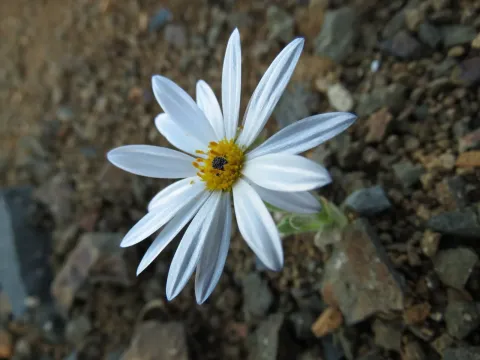
Arctotis leiocarpa
Arctotis leiocarpa
Arctotis leiocarpa is a member of the Asteraceae family, native to the arid regions of Southern Africa. This plant is well-adapted to harsh environmental conditions, exhibiting a strong capacity for survival and rapid development during the growing season.
What the section contains
Arctotis leiocarpa
The sowing process begins by choosing a site with excellent drainage and full sun exposure. Seeds should be sown at a shallow depth of approximately 0.5 to 1 cm, ensuring they are placed in well-prepared, aerated soil for optimal germination results.
Optimal germination occurs at temperatures between 18°C and 22°C. Once seedlings emerge, they should be thinned to provide sufficient airflow, which is critical for the development of healthy, robust plants that will eventually produce numerous flowers.
In regions with frost, sowing should be delayed until the soil has thoroughly warmed up. Using starter pots or containers for greenhouse-grown seedlings can help extend the flowering season, allowing for earlier transplantation into the field.
Proper spacing is essential to minimize competition for nutrients and water. Maintaining a distance of 25–30 cm between plants ensures that each specimen receives adequate light and resources for full maturity and maximum decorative output.
This species thrives in high-light environments and is strictly intolerant of shade. It requires a location with full, direct sunlight throughout the day to sustain its biological processes and maintain compact, healthy growth habits.
The soil requirements for Arctotis leiocarpa are modest. It performs exceptionally well in light, sandy soils that allow for rapid drainage. Heavy, water-logged clays must be amended with grit or sand to prevent root-related issues.
Arctotis leiocarpa is highly drought-tolerant. Once established, the plant requires very little supplemental irrigation. Overwatering is one of the most common mistakes in its cultivation, as the root system is adapted to intermittent moisture cycles.
While the plant can survive in low-fertility soils, a light application of balanced fertilizer during the early vegetative stage can enhance plant vigor. Excessive nitrogen should be avoided to prevent leggy growth and reduced flowering frequency.
Maintaining a weed-free area around the base of the plant is vital. Regular weeding ensures that the soil remains aerated, which promotes healthy root gas exchange and discourages the presence of damp-loving pests and pathogens.
Aphids and spider mites are the primary pests affecting this plant. These insects thrive in the same hot, dry conditions that the plant prefers, making regular monitoring necessary during the height of the summer growing season.
Fungal diseases, specifically powdery mildew and root rot, represent significant threats to the health of the crop. These conditions are almost exclusively triggered by excessive moisture, high humidity, or poor air circulation around the foliage.
Preventive care involves strict irrigation management. By keeping the leaves dry and ensuring the soil is not saturated, the likelihood of fungal infections is drastically reduced throughout the entire development cycle of the plant.
If an infestation or disease outbreak occurs, integrated pest management practices should be employed. This includes removing affected parts of the plant and, if necessary, applying specific organic or synthetic pesticides to manage populations.
Crop rotation should be practiced if the plants are grown in significant numbers. Avoiding the planting of Asteraceae species in the same patch repeatedly helps to break the life cycles of soil-borne pathogens that target these plants.