
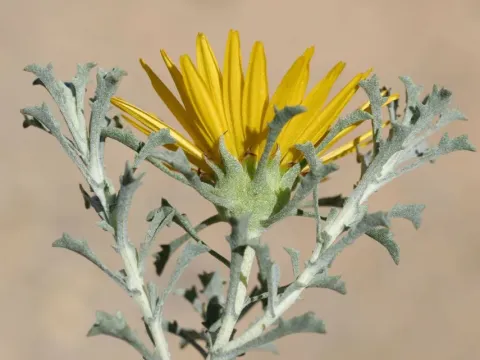
Anvillea
Anvillea
Anvillea is a genus of flowering plants belonging to the Asteraceae family. These plants are essentially hardy shrubs that have evolved to thrive in some of the most challenging arid environments on the planet.
What the section contains


Anvillea
The origin and primary habitat of the genus include desert and semi-desert zones throughout Northern Africa and the Middle East. Its survival strategy involves deep root development and specialized metabolic adaptations that allow it to remain productive during long-term droughts.
Cultivation of Anvillea requires sites with full solar exposure. It is highly sensitive to root rot, necessitating soils with excellent drainage, preferably sandy or stony substrates with a neutral to alkaline pH level that mimics their natural environment.
The agrotechnical management of Anvillea focuses on mimicking the low-nutrient conditions of its native range. Over-fertilization or excessive irrigation can negatively impact the plant's health and the concentration of its secondary metabolites.
The economic value of this crop is primarily found in its phytochemistry. Anvillea species are known for producing sesquiterpene lactones, which are studied extensively for their pharmacological potential in treating inflammatory and oxidative-related disorders.