
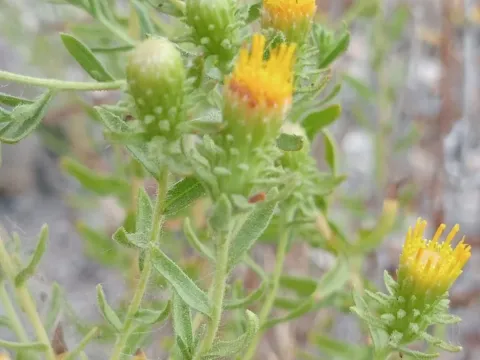
Chiliadenus
Chiliadenus
Chiliadenus is a genus of perennial herbs and subshrubs belonging to the Asteraceae family. Native primarily to Mediterranean, Middle Eastern, and Macaronesian regions, these plants are highly specialized for surviving in harsh, arid environmental conditions.
What the section contains


Chiliadenus
The plant requires well-drained, porous soils, ideally rocky or sandy substrates. It thrives in soils with low nutrient density and high drainage capacity, which prevents the moisture accumulation that leads to root system degradation.
Climate requirements for Chiliadenus are centered around high solar radiation and extended dry periods. It acts as a true xerophyte, capable of maintaining metabolic processes even under high-temperature stress throughout the day.
Agronomic practices for this culture are simple but precise: they emphasize low-input management and the avoidance of over-irrigation. Excessive soil moisture or high fertilization rates are detrimental to both the plant's health and the oil quality.
Economic importance of the crop lies in its aromatic profile, making it a valuable candidate for high-value essential oil production for the pharmaceutical and perfumery industries.
The primary threats to the cultivation of Chiliadenus are soil-borne pathogens and fungal infections, such as root rot, which are triggered by poor drainage or excessive humidity.
Pests such as spider mites and aphids are frequently observed in controlled environments or dense plantations where air circulation is restricted.
Effective management strategies require maintaining a strict watering regimen and ensuring adequate space between plants to allow for airflow and rapid evaporation of surface moisture.
Integrated pest management protocols are encouraged to maintain the raw material's high quality and purity for processing purposes.
Regular field scouting is essential to identify early signs of pathogen outbreaks, as the plant is highly vulnerable to moisture-related stress in non-native climates.