
Chiliadenus glutinosus
Chiliadenus glutinosus
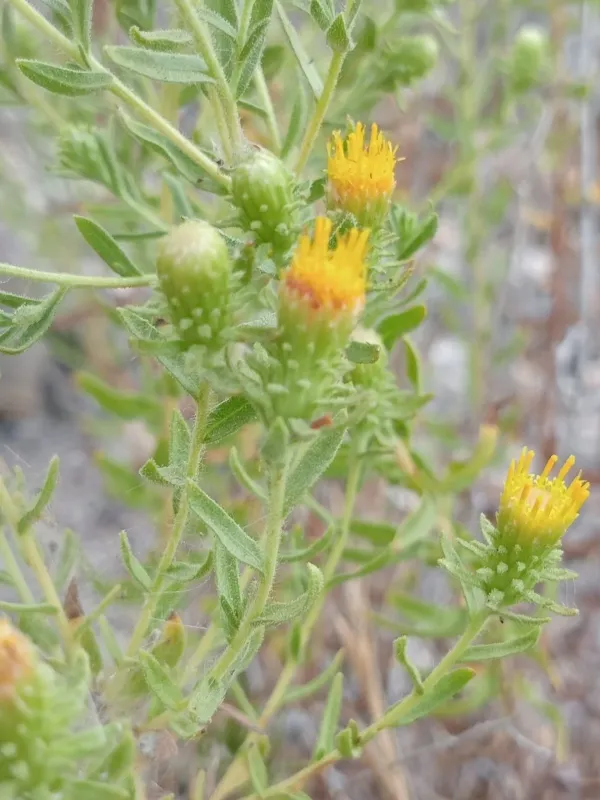
Description
Sowing dates
Chiliadenus glutinosus is a perennial subshrub belonging to the Asteraceae family. In agricultural practices, the cultivation begins with seed propagation, which requires a stratification period to overcome dormancy and ensure uniform germination.
Seeds are typically sown in early spring within protected structures, such as greenhouses or cold frames. The seeds are very small and must be surface-sown on a fine, well-draining substrate, ensuring they are only lightly covered to allow exposure to light, which triggers the germination process.
Transplanting seedlings to the field occurs once the danger of frost has passed and the soil temperatures have stabilized. It is crucial to maintain adequate spacing between plants to prevent competition for nutrients and to allow for proper air circulation, which is vital for this species.
Vegetative propagation via stem cuttings is also a viable method during the active growth season. Cuttings are placed in sandy propagation beds with high light exposure but shielded from harsh, direct heat to encourage root development without dehydration.
Consistency in moisture during the initial establishment phase is key to seedling success. Once established, the plants demonstrate a remarkable ability to thrive with minimal intervention, reflecting their wild, rocky habitat origins.
Growing requirements
The plant thrives in open, high-light environments and is particularly adapted to poor, rocky, or sandy soils. It possesses a high tolerance for drought and nutrient-poor substrates, making it an ideal candidate for marginal lands where other crops may struggle.
Proper drainage is the most critical factor for successful cultivation. Chiliadenus glutinosus is highly susceptible to root rot in waterlogged conditions; therefore, fields must be situated on slopes or in areas with excellent natural drainage to avoid moisture accumulation.
The ideal climate for this species mirrors Mediterranean conditions, characterized by long, dry, and sunny summers. While the plant can tolerate significant wind exposure, it should be protected from excessive winter moisture, which can be detrimental to its shallow root system.
Soil pH should ideally be neutral to slightly alkaline. The plant does not perform well in acidic, peat-heavy soils. Soil testing before planting is recommended to ensure the substrate matches the specific physiological needs of the herb.
Minimal fertilization is required for this crop. Excessive nitrogen application promotes rapid, soft growth that is more susceptible to pests and disease, while also reducing the aromatic oil concentration, which is the plant's primary economic value.
Yield
Yield is measured by the total biomass of harvested aerial parts. A productive plantation is typically established for 5 to 7 years, with the highest quality and quantity of secondary metabolites generally achieved starting from the second year of growth.
Harvesting is strictly timed with the peak of the flowering phase. During this time, the concentration of essential oils is at its maximum, and the plant emits its characteristic potent fragrance, serving as an indicator for harvest readiness.
On-site conditions, such as slope aspect and solar radiation, significantly impact the final yield. Fields facing south or south-west generally produce higher concentrations of active compounds due to greater heat exposure, which stimulates essential oil production.
Strategic pruning post-harvest is essential for maintaining plant vigor and promoting growth for the subsequent year. Removing spent flower heads and selectively thinning old growth helps the plant allocate resources to new vegetative shoots.
Efficient processing of the biomass is essential for maintaining yield standards. The rapid removal of moisture after harvest prevents microbial spoilage and ensures the product meets the strict requirements of pharmaceutical and cosmetic manufacturers.
Main diseases and pests
Fungal diseases, particularly those affecting the roots, constitute the primary threat to Chiliadenus glutinosus. Root rot and damping-off are common in fields where humidity is poorly managed or drainage is insufficient, often leading to rapid plant loss.
Integrated pest management strategies are recommended, focusing on maintaining field hygiene and promoting beneficial insect populations. Sucking insects like aphids can colonize plants in hot, dry weather, potentially damaging the tender leaf tissue and reducing quality.
Weed management is a vital component of plant health. Uncontrolled weeds compete for water and light, and they may harbor various pathogens that can spread to the cultivated plants, necessitating regular hand-weeding or mechanical cultivation.
Sanitation practices involve the timely removal and destruction of infected material. If a plant shows signs of fungal infection, it should be removed with surrounding soil to prevent spreading, as the pathogens can persist in the soil for extended periods.
By avoiding overhead irrigation and ensuring that plants are not overcrowded, producers can significantly mitigate the risk of pathogen outbreaks, as these practices directly reduce the moisture levels around the foliage and base of the plants.
Harvesting
The harvest is performed when the plants are in full bloom and the weather is dry. Avoiding harvesting during damp conditions or early in the morning when dew is present is critical to prevent mold development during the drying process.
Tools used during the harvest must be sharp and sanitized to ensure clean cuts, which facilitate faster wound healing of the stems. The plants should not be pulled or ripped, as this causes significant mechanical damage to the root system.
- Harvest at peak bloom for maximum aromatic content.
- Use sharp shears for precision harvesting.
- Ensure immediate transport to drying facilities.
- Keep harvested material out of direct, intense sunlight.
The drying process is conducted in shaded, well-ventilated rooms at temperatures not exceeding 40 degrees Celsius. This controlled environment ensures that the volatile essential oils are preserved rather than evaporated, maintaining high commercial value.
Post-drying, the biomass is cleaned and sorted to remove stems and impurities. Packaging in airtight containers prevents further degradation, allowing the product to be stored or transported over long distances without losing its quality.