
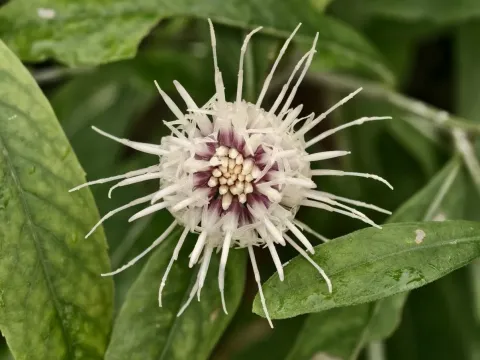
Cheirolophus
Cheirolophus
Cheirolophus is a genus within the Asteraceae family, encompassing diverse species native primarily to the Macaronesian region. These plants are known for their striking architectural forms and are increasingly sought after for specialized horticultural use in dry, Mediterranean-style landscapes.
What the section contains


Cheirolophus
The success of growing Cheirolophus depends heavily on soil composition. It requires a substrate that provides excellent aeration and drainage. Loamy or sandy soils mixed with grit or small pebbles are ideal to simulate the plants' native rocky habitats.
Climatic requirements are specific: the plants thrive in areas with low humidity and high light intensity. They are sensitive to prolonged periods of frost, making them unsuitable for regions with harsh, damp winters unless they are kept in protected environments.
Watering must be strictly managed. During the active growth phase, water should be applied only when the top few centimeters of the soil have completely dried out. Overhead watering should be strictly avoided to prevent fungal infections on the leaves and flowers.
Regular maintenance involves light pruning of the flower stalks once the blooming period ends. This helps the plant redirect energy toward structural health rather than seed production, which keeps the plant compact and vigorous.
The primary threats to Cheirolophus cultivation include root pathogens, particularly those triggered by excess moisture. Proper drainage is the most effective preventative measure against root rot and damping-off diseases.
Insect pests such as spider mites and aphids are common in indoor or greenhouse settings. These pests flourish in dry, stagnant air, necessitating regular monitoring and maintenance of appropriate airflow levels around the plant canopy.
Botrytis or grey mold may occur if humidity levels remain too high for extended periods, especially during cloudy weather. Ensuring that the foliage stays dry and the environment is well-ventilated will significantly minimize this risk.
Soil-borne pests, such as fungus gnats, can occasionally cause minor damage, but they are generally secondary to the primary environmental stressors. Using sterilized potting mixes is recommended to avoid introducing these pests into the nursery.
Overall plant health is best maintained through a balanced approach to cultivation that prioritizes light and drainage. When plants are grown in their preferred environment, they exhibit high resistance to most common diseases.