
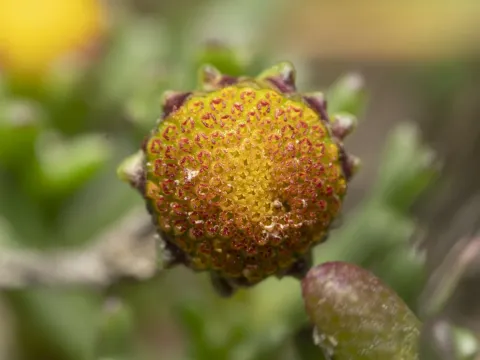
Chlamydophora
Chlamydophora
Chlamydophora is a genus of annual herbaceous plants belonging to the Asteraceae family. In agricultural and horticultural contexts, this culture is valued for its unique botanical traits and requires specific conditions to achieve optimal germination rates during the early stages of development.
What the section contains

Chlamydophora
The sowing process is initiated in the spring, once the soil temperature consistently reaches 12–15 degrees Celsius. It is crucial to ensure that the risk of frost has passed, as the young, tender sprouts are highly susceptible to cold stress, which can lead to significant crop loss.
When cultivating in field conditions, a row-cropping method is generally preferred, maintaining row spacing of approximately 30 to 40 centimeters. The seeds should be planted at a shallow depth of no more than 1–2 centimeters, ensuring they receive enough warmth and light to break dormancy.
To enhance the germination energy, many producers utilize seed treatments or brief soaking in growth stimulants. In cooler temperate climates, greenhouse-grown transplants are often used to ensure the plants are robust enough for field transplantation by the beginning of the summer season.
Maintaining proper plant density is essential for the health of the crop. Overcrowding can result in etiolated stems and increased competition for sunlight, so a standard planting density of 20–25 plants per square meter is recommended for uniform growth and development.
This crop thrives in well-drained, light-textured soils such as sandy loams or loamy sands with a neutral pH level. Proper soil drainage is critical, as stagnant water in the root zone can quickly lead to physiological stress and the development of fatal root rots.
Chlamydophora is a heliophilic plant that requires high levels of direct solar radiation to perform optimally throughout its vegetative cycle. Lack of light exposure directly impacts the plant's ability to produce flowers and healthy, viable seeds, reducing its overall agricultural value.
Watering requirements remain moderate; the crop can withstand short periods of dryness, but consistent soil moisture is needed during the critical budding phase. Excessive moisture, especially when paired with low temperatures, creates a high-risk environment for fungal pathogens.
Fertilization regimes should prioritize phosphorus and potassium to support blooming and root development. Excessive nitrogen application should be avoided, as it encourages vegetative biomass production at the expense of floral development, which is usually the desired product of the crop.
Choosing an appropriate crop rotation is essential. Chlamydophora should ideally follow grain crops rather than members of the Asteraceae family to minimize the buildup of host-specific pests and soil-borne pathogens that thrive in shared environmental niches.
The primary threats to this culture include fungal infections such as grey mold and powdery mildew, which often flourish in conditions of high humidity or poor air circulation. Regular monitoring is necessary to catch early signs of infection before they spread throughout the field.
Pests such as aphids pose a significant risk, as they tend to congregate on young shoots and buds, draining vital nutrients and weakening the plant structure. Integrated pest management, including the use of systemic insecticides, is often required for effective control.
In hot, arid climates, spider mites may become a nuisance, particularly if the crop is not adequately irrigated. Preventing these outbreaks involves managing weed populations nearby, as they often serve as secondary hosts for many common agricultural pests during the peak summer months.
Soil-borne nematodes can cause long-term productivity issues if the same land is used for this crop repeatedly. Implementing a break in the rotation for at least 3–4 years is the most effective way to naturally suppress nematode populations without relying solely on chemical fumigants.
An integrated approach to plant protection is recommended, emphasizing preventative measures such as proper spacing and sanitation over reactive chemical treatments to ensure the sustainability of the crop and the health of the surrounding ecosystem.
Harvesting the crop at the correct physiological stage is vital for the quality of the end product. For seed collection, the harvest should occur when the flower heads have turned brown and the seeds are fully matured, ensuring maximum viability for future plantings.
After harvesting, the material must be dried immediately in a ventilated space to reduce moisture content. Proper drying is essential to prevent mold growth, which can render the seed harvest unsuitable for storage or future use within a very short period of time.
If the plant is intended for aesthetic use, harvesting should be performed during the peak flowering stage. Using sharp tools to make clean cuts will ensure that the plants heal more efficiently, which is particularly important if the crop is expected to show late-season regrowth.
Post-harvest processing involves cleaning the product of debris and sorting it by size or quality. For long-term storage, the harvest should be kept in breathable containers in a cool, dry place away from direct sunlight to maintain the integrity of the seeds.
All post-harvest residues must be cleared from the field to maintain sanitary conditions for the next season. Removing these remains helps eliminate potential overwintering sites for fungal spores and insect pests that could jeopardize the following year's crop rotation.