
Chiliadenus iphionoides
Chiliadenus iphionoides
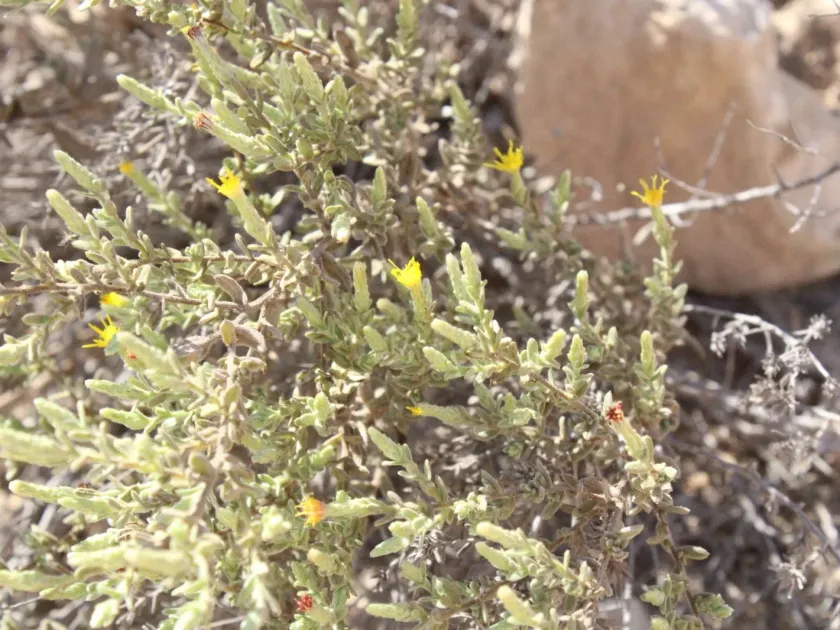
Description
Sowing dates
Chiliadenus iphionoides is a perennial semi-shrub belonging to the Asteraceae family. Propagation is primarily carried out through seeds, which should be sown in a controlled environment during late winter to ensure high germination rates.
The seeds are notably small, requiring surface sowing on a moist, well-draining substrate. They should not be covered deeply; a light dusting of vermiculite or sand is sufficient to maintain proper humidity levels for sprouting.
A constant temperature of 20–22 degrees Celsius is required for uniform germination. Once seedlings emerge, they should be placed in a bright area to prevent weak, spindly growth, which is a common issue for this species.
Transplanting into the field occurs after the final frost. Careful handling of the root system is essential, as the plant is sensitive to disturbance during the initial establishment phase in open soil.
A spacing of 40–50 centimeters is recommended to ensure that each plant has sufficient access to light and air, which is crucial for preventing humidity-related issues in the canopy.
Growing requirements
This species is highly heliophilic, meaning it demands full, direct sunlight throughout the day. Shaded conditions will significantly reduce the essential oil content and the overall structural integrity of the plant.
Well-drained, sandy, or stony soils are mandatory for successful cultivation. The species is highly adapted to arid conditions, and excessive soil moisture, particularly during the dormant season, can be fatal.
Chiliadenus iphionoides exhibits excellent drought tolerance, making it an ideal candidate for cultivation in hot, semi-arid Mediterranean-type climates where traditional crops might require intensive irrigation.
The soil should have a neutral to slightly alkaline pH. If the soil is too acidic, amending it with limestone can significantly improve the nutrient uptake and vigor of the vegetation.
Winter hardiness is a limiting factor for this species. In regions with severe winters, protective mulching or temporary structures are necessary to prevent deep soil freezing around the root collar.
Yield
The economic value of Chiliadenus iphionoides is primarily driven by its unique profile of volatile organic compounds. Yield is optimized when harvesting occurs at the peak of the flowering stage.
Producers can expect an average yield of 1 to 1.5 tons of dried raw material per hectare. Efficiency can be maximized by ensuring proper plant density and minimizing weed competition during the first year.
Avoid excessive nitrogen application, as high nitrogen levels tend to prioritize vegetative growth over the synthesis of aromatic oils, ultimately reducing the quality of the harvested product.
Regular pruning of spent flower heads throughout the growing season encourages secondary branching and increases the total surface area for biomass accumulation.
Harvesting is typically done using mechanical harvesters in commercial settings, although small-scale artisanal production may still rely on manual cutting to ensure higher material purity.
Main diseases and pests
Root rot is the most significant threat to this species, caused almost exclusively by waterlogged conditions. Ensuring a sloped planting area or a gravel-based drainage layer is the primary preventative measure.
Spider mites can be a persistent problem, especially in hot and dry weather. Integrated pest management, including the use of neem-based oils or biological predators, is recommended to keep populations below economic thresholds.
Aphids might colonize the tender spring growth, potentially vectoring viruses. Vigilance during the early growing phase is essential for maintaining a healthy stand.
Powdery mildew is occasionally observed if the air circulation between plants is restricted. Proper spacing and thinning are the most effective non-chemical strategies to prevent this fungal issue.
- Susceptibility to soil-borne pathogens in damp conditions.
- Damage from root-feeding larvae if the field is not cleared of weeds.
- Risk of chlorosis if the soil drainage is insufficient.
Harvesting
The harvest timing is critical for the essential oil quality. Ideally, the plants are cut when roughly 75% of the flowers have opened, as this correlates with the highest concentration of volatile oils.
Cutting should be performed 15–20 centimeters above the ground to preserve the woody base and allow the plant to regenerate effectively in the subsequent season.
Prompt post-harvest processing is vital. The volatile components begin to dissipate immediately after cutting, especially if the material is exposed to direct heat or prolonged sunlight.
Drying should be carried out in dark, well-ventilated rooms with temperatures maintained below 40 degrees Celsius. Excessive heat during drying can lead to the oxidation of valuable aromatic compounds.
After reaching the desired moisture content, the product must be stored in airtight containers away from light and heat to maintain its shelf life and chemical potency.