
Chiliadenus sericeus
Chiliadenus sericeus
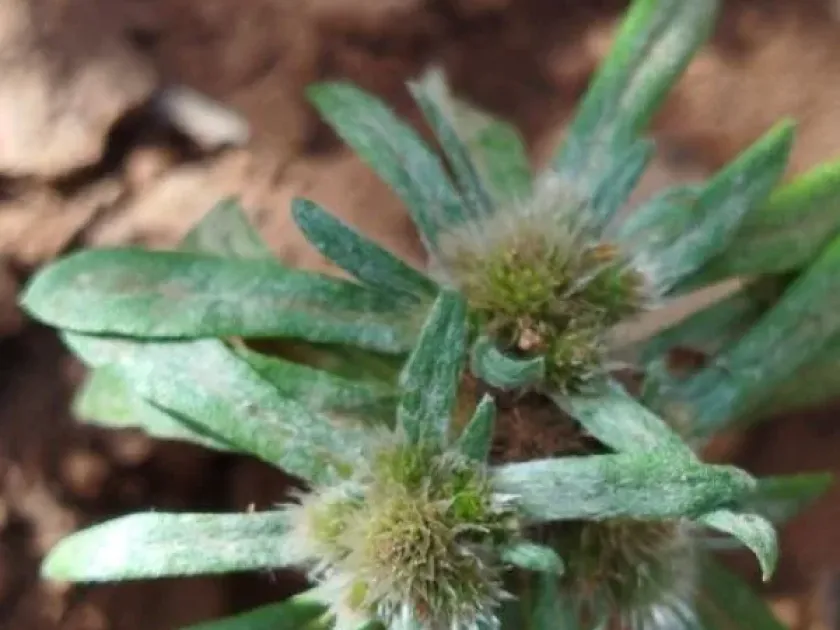
Description
Sowing dates
Chiliadenus sericeus is a hardy perennial subshrub belonging to the Asteraceae family. Known for its adaptation to rugged, arid landscapes, this plant is increasingly recognized for its potential in specialized essential oil production.
Propagation is typically achieved through seeds, which require careful handling due to their minute size. The seeds are surface-sown in a well-draining, lightweight substrate during early spring when soil temperatures begin to rise, ensuring optimal germination rates.
For large-scale cultivation, propagation via cuttings is a highly effective alternative. Utilizing softwood cuttings taken during the active growth phase ensures the genetic uniformity of the crop, maintaining high oil content consistency across the entire field.
Proper bed preparation is crucial for success. The field must be leveled to prevent any water ponding, with special attention given to soil texture, which should ideally include mineral-rich components or grit to support the plant’s natural drainage needs.
Density must be strictly managed to provide adequate airflow. Planting in rows with sufficient spacing allows for efficient maintenance and prevents the microclimate from becoming too humid, which is vital for the health of this species.
Growing requirements
Chiliadenus sericeus is a sun-loving plant that requires maximum exposure to direct sunlight. This light intensity is directly linked to the plant's metabolic processes and the synthesis of aromatic secondary compounds stored in its foliage.
Soil requirements are quite specific; the plant thrives in poor, alkaline, or stony soils. High-fertility soils are generally avoided, as they promote excessive vegetative growth at the expense of oil quality and overall plant hardiness.
Water management is the most critical agronomic factor. The species is highly drought-tolerant and suffers quickly under waterlogged conditions. Irrigation should be minimal and implemented only when long-term dry spells threaten the plant's survival.
Temperature range is essential for growth. The plant excels in regions with warm, dry summers and mild winters. It can endure significant temperature fluctuations as long as the drainage is sufficient to keep the root zone oxygenated.
Good ventilation is non-negotiable. Whether grown in fields or tunnels, the plant needs a steady movement of dry air to minimize the risk of moisture-related pathogens, which are the primary threat to the stability of the crop.
Main diseases and pests
Root rot and fungal infections remain the most significant threats to the species. These are usually the direct result of inadequate soil drainage or excessively humid environmental conditions, leading to the rapid decay of the root system.
Pests such as aphids may occasionally congregate on the tender tips of the plant. Monitoring the crop periodically is necessary to identify early infestations, which can be managed effectively using organic, non-toxic horticultural sprays.
Weed management is vital during the establishment phase. Because Chiliadenus sericeus grows slowly, it can be easily outcompeted by aggressive weeds, requiring manual intervention or careful mechanical weeding between the rows.
Infected plant material should be immediately culled and removed from the cultivation area. This sanitation practice prevents the spread of pathogens, which is especially important for maintaining long-term field productivity.
Maintaining a clean cultivation environment also includes monitoring for secondary opportunistic insects. Healthy, well-drained plants are generally far more resilient against these pests, emphasizing the importance of getting the agronomic conditions right.
Harvesting
Harvesting is timed to coincide with the peak flowering period. This is when the concentration of essential oils is at its highest, ensuring the maximum possible yield of aromatic compounds per hectare of cultivation.
The harvest should be conducted on a dry, sunny day, preferably in the late morning after the dew has evaporated. This ensures that the harvested material is clean and dry, which significantly reduces the risk of spoilage during the drying phase.
Drying is performed in shaded, well-ventilated drying racks. Keeping the temperature below 40 degrees Celsius is important to prevent the degradation of heat-sensitive volatile oils and to retain the plant's medicinal and aromatic properties.
Post-harvest processing involves stripping the leaves and flowering tops from the woody stems. This stage is essential for standardization and achieving a high-quality product suitable for the perfume and pharmaceutical industries.
Proper storage in moisture-proof, light-protected containers is the final step in maintaining quality. When stored under the right conditions, the dried material retains its chemical profile for an extended period, allowing for efficient market supply.