
Chardinia
Chardinia
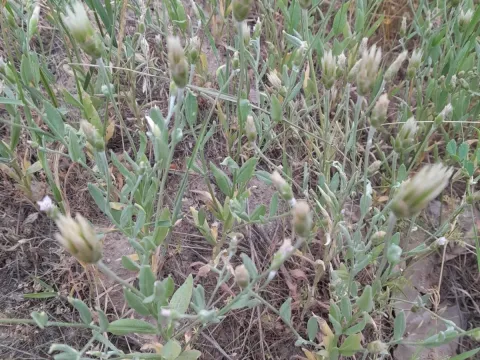
Chardinia (Chardinia) is a monotypic genus of plants belonging to the Asteraceae family. This is an annual herbaceous plant characterized by a taproot system and an upright stem that can reach a height of 30 to 40 centimeters under favorable conditions.
What the section contains

Chardinia
The natural range of the plant spans the Mediterranean, the Caucasus, Asia Minor, and Central Asia. In the wild, it prefers open, well-lit areas and is commonly found on dry rocky slopes, foothills, and the saline soils of semi-desert regions.
The plant exhibits high resistance to arid conditions, which is due to its biological adaptations to moisture deficit. It is not demanding regarding soil fertility, but it develops best in light sandy or loamy substrates with a neutral or slightly alkaline pH balance.
Botanically, Chardinia is distinguished by its rigid, almost prickly bracts that surround the flower heads. The leaves are lanceolate or linear in shape and are often covered with light pubescence, which helps the plant retain moisture under intense direct sunlight.
The agricultural use of this culture is currently limited. In certain regions, it is considered a component of natural pastures, providing some nutritional value for small ruminants during the vegetative stage before the stems become woody and fibrous.
Due to its specific habitat and xerophytic growth habit, Chardinia is rarely subjected to large-scale infestations by common agricultural pests. The main threats to its population include specialized phytophagous insects adapted to arid zones, such as certain species of aphids or weevils that damage the flower heads.