
Chloracantha
Chloracantha
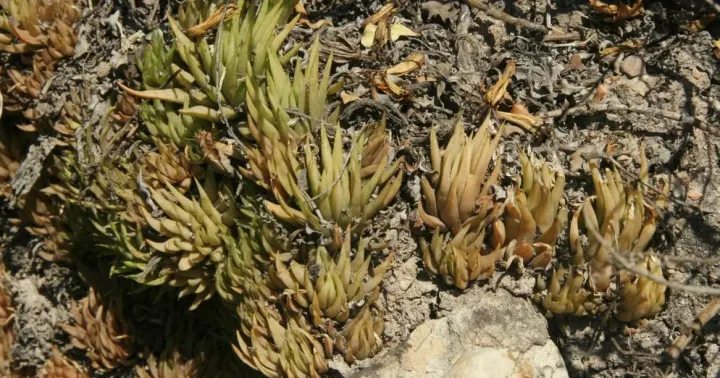
Description
Growing requirements
Chloracantha is a monotypic genus of perennial herbaceous plants belonging to the Asteraceae family. As a distinct botanical entity, it shares specific morphological traits with other members of the sunflower family, which impacts its cultivation methods and physiological responses in agricultural environments.
The native distribution of this crop centers on South America, specifically in regions of Argentina and Brazil. It is naturally adapted to moist habitats, which necessitates a specific approach to irrigation management in cultivation, ensuring the plant receives consistent moisture without waterlogging the root zone.
Soil requirements for Chloracantha include well-drained, fertile substrates with a balanced mineral content. It thrives best in sandy loam or loam soils that facilitate root expansion. Ensuring good drainage is critical, as it prevents the hypoxic conditions that can lead to disease outbreaks in its roots.
Regarding climate, this plant requires moderate to warm temperatures to reach its full vegetative potential. While it exhibits some tolerance to varying weather conditions, it is sensitive to extreme frost, which can damage the plant structure. Providing a sheltered location or adequate protection during cold spells is essential for long-term viability.
The primary agricultural and horticultural use of Chloracantha lies in its potential for landscape restoration and soil stabilization. Its robust root system and ability to survive in moist environments make it a valuable candidate for green infrastructure projects, particularly in mitigating erosion along watercourses.