
Cheirolophus intybaceus
Cheirolophus intybaceus
Description
Growing requirements
Cheirolophus intybaceus is a perennial herbaceous plant belonging to the Asteraceae family. Known for its resilience in rugged environments, this species is gaining attention for its potential use in specialized agricultural sectors, particularly in arid climates.
The native range of the plant is primarily concentrated in the western Mediterranean region, including coastal areas of Spain and France. It typically thrives in limestone-rich, rocky soils, which reflects its high tolerance for alkaline soil conditions.
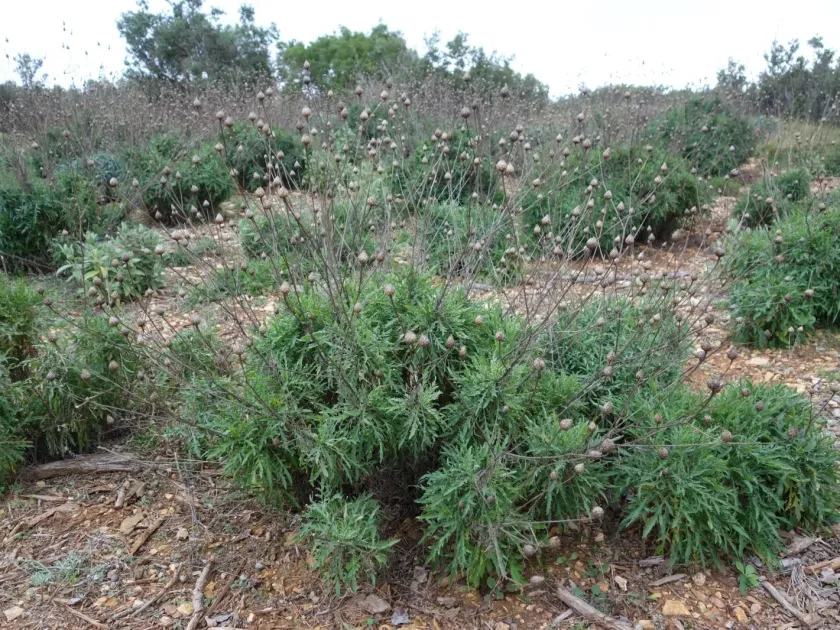
Botanically, it features a robust basal rosette of deeply lobed leaves that closely resemble those of the chicory plant. The flowering stems are branched and bear distinctive composite flower heads, characteristic of the Cardueae tribe.
To ensure optimal growth, the crop requires full sun exposure and excellent soil drainage. It is highly intolerant of waterlogged conditions, which can lead to rapid root degradation, making well-draining, gritty soils the best choice for cultivation.
Climatic requirements are focused on long, sunny, and dry growing seasons. While the plant can survive periodic drought due to its taproot system, supplemental irrigation during the seedling stage is recommended to establish a strong root architecture.
Main diseases and pests
The primary threats to Cheirolophus intybaceus are fungal infections, specifically powdery mildew, which can become prevalent if planting density is too high or air circulation is insufficient within the crop canopy.
Root rot pathogens, including Pythium species, pose a significant risk if the soil remains excessively moist. Proper field drainage and avoiding over-irrigation are essential preventive measures to maintain plant health throughout the season.
Aphid infestations represent the most common insect threat. These pests typically colonize the undersides of leaves and growing tips, causing distortion and potentially facilitating the transmission of viral plant diseases.
Management of pests should prioritize biological control methods, such as introducing beneficial insects like ladybugs, which effectively control aphid populations without chemical interference, maintaining the ecological balance of the field.
Maintaining a clean field environment by removing crop debris after the season helps reduce the overwintering sites for many common pests and pathogens, ensuring that subsequent plantings have a healthier start in the following cycle.