
Cheirolophus sempervirens
Cheirolophus sempervirens
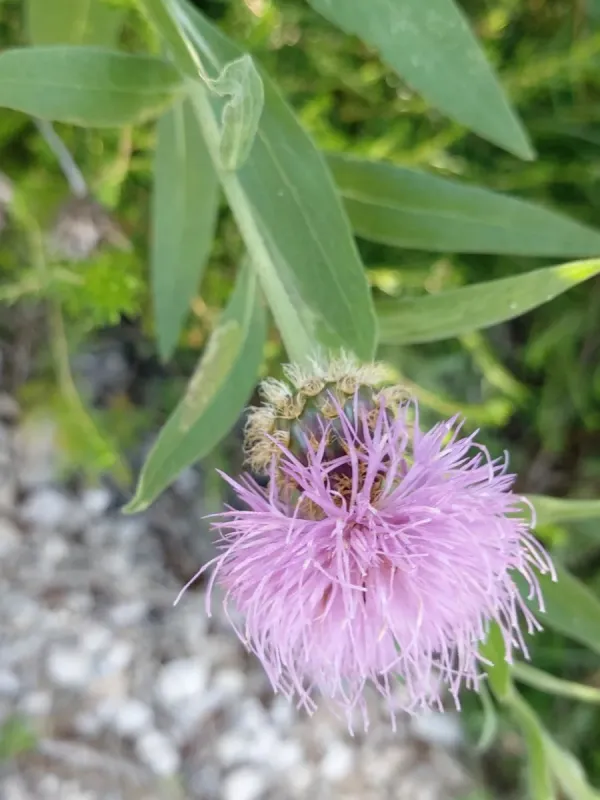
Description
Growing requirements
Cheirolophus sempervirens is a notable perennial plant belonging to the Asteraceae family. Native to the Iberian Peninsula, it has adapted to harsh, rocky environments, making it a resilient choice for specialized landscaping and ornamental horticulture.
The plant features distinct evergreen foliage and typical composite flower heads that provide aesthetic value throughout the year. Its structural habit makes it suitable for rock gardens and borders where soil drainage is prioritized over nutrient richness.
Regarding soil requirements, this species thrives in well-draining, calcareous substrates. It exhibits high drought tolerance once established, which is a major advantage in regions prone to water scarcity and intense summer heat.
Climatic preferences for Cheirolophus sempervirens revolve around Mediterranean conditions, characterized by mild winters and high sunlight exposure. It is crucial to ensure that the site receives full sun to maintain the plant's vigor and promote successful blooming.
In modern agriculture and landscape design, the crop is valued for its low maintenance and structural consistency. Its ability to remain evergreen adds year-round interest to botanical collections and professional landscaping projects.
Main diseases and pests
The primary threat to the health of Cheirolophus sempervirens is excessive soil moisture, which often leads to root rot diseases. Stagnant water around the root zone is particularly detrimental to this species, which prefers dry, airy soil conditions.
Pests such as aphids and spider mites can occasionally affect the foliage, especially in greenhouse environments or during periods of environmental stress. Regular inspection and natural pest management strategies are recommended to maintain plant health.
Weed management is essential during the plant's establishment phase, as unwanted competition can deprive the crop of necessary nutrients and sunlight. Providing an inorganic mulch layer can significantly reduce weed pressure and improve air circulation.
Mechanical damage to the roots or stems can facilitate the entry of soil-borne pathogens. Careful handling and clean cultivation practices are vital to prevent the spread of fungal infections across the planting site.
By implementing proper drainage solutions and ensuring adequate airflow between plants, growers can minimize disease outbreaks. With appropriate management, Cheirolophus sempervirens remains a robust and trouble-free asset in any horticultural application.