
Cheirolophus canariensis
Cheirolophus canariensis
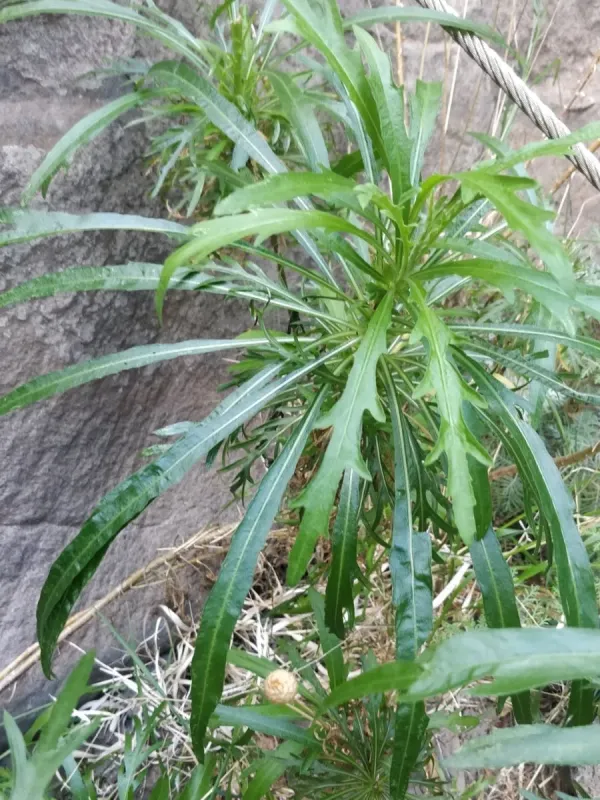
Description
Growing requirements
Cheirolophus canariensis is a distinct species within the Asteraceae family. Originating from the Canary Islands, this plant is well-adapted to the rocky, well-drained volcanic slopes characteristic of its natural habitat.
Botanically, it is recognized as a perennial subshrub with a unique growth structure. The plant produces dense, showy flower heads, making it a highly desirable specimen for botanical gardens and specialized collectors.
The cultivation of this species requires high levels of solar radiation throughout the day. It thrives in locations where it can receive direct sunlight for at least six to eight hours, which is essential for maintaining its robust structural integrity.
Regarding soil requirements, Cheirolophus canariensis demands a loose, sandy, or volcanic-based substrate with excellent permeability. The root system is sensitive to waterlogging, necessitating a significant drainage layer to prevent hypoxia.
The climate requirement is strictly Mediterranean or subtropical; the species is intolerant of frost. In greenhouses, growers should maintain a consistent humidity level to prevent leaf stress while ensuring constant air circulation.
Main diseases and pests
The most common agricultural threat is Phytophthora root rot, triggered by inadequate drainage or excessive soil moisture. Preventive measures include using sterile substrates and monitoring soil moisture sensors regularly.
Pests such as spider mites and whiteflies are potential threats in indoor or greenhouse settings. Effective management involves maintaining optimal spacing between plants to improve airflow and applying horticultural oils when infestation levels are low.