
Cheirolophus uliginosus
Cheirolophus uliginosus
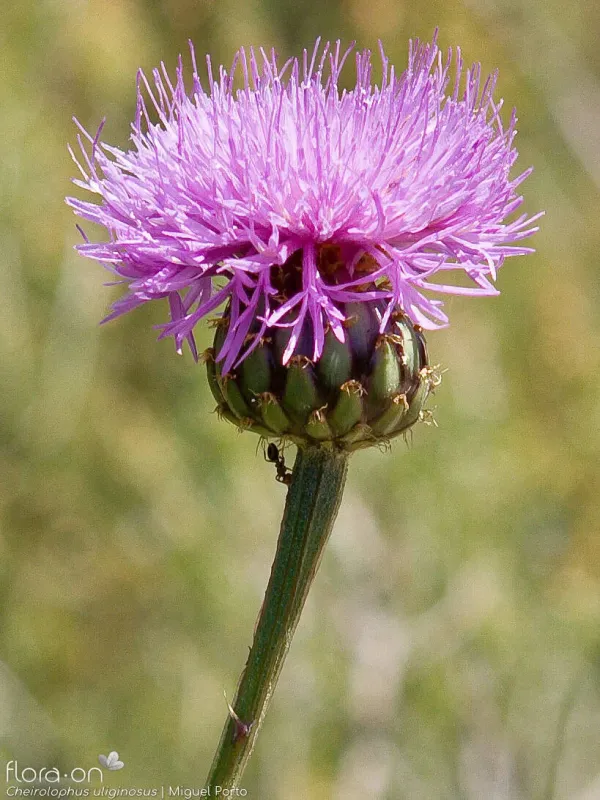
Description
Sowing dates
Sowing Cheirolophus uliginosus seeds is best performed in spring when soil temperatures reach 12–15 degrees Celsius. Quality stratification of the seeds is essential to improve germination rates.
In specialized nurseries, the cassette method for seedling production is preferred. This approach allows for precise moisture control during the early stages of plant development.
The growing medium should be light yet moisture-retentive, with a neutral to slightly acidic pH level. Effective drainage is critical to prevent water stagnation, which can lead to root rot.
Seed planting depth typically ranges from 0.5 to 1 cm. After sowing, the substrate surface is often mulched or covered with film until initial germination to protect the seeds from direct sunlight.
Germination typically occurs between two and four weeks, depending on environmental stability. Once two true leaves develop, seedlings are transplanted into individual containers to encourage robust root growth.
Growing requirements
Cheirolophus uliginosus belongs to the Asteraceae family. This perennial herbaceous plant naturally thrives in specific moist ecosystems, reflecting its botanical name.
The species is native to the southwestern Iberian Peninsula, specifically regions in Portugal and Spain. It prefers hydromorphic soils where the water table remains relatively close to the surface.
The plant features upright stems and finely divided leaves characteristic of the genus. Its inflorescences are typical Asteraceae flower heads, which possess high aesthetic value for specialized landscapes.
Successful cultivation requires open, well-lit areas with high substrate moisture. The species is rarely used in large-scale agriculture, appearing more frequently in botanical collections and niche gardens.
Climate requirements include a moderately warm environment without extreme temperature fluctuations. The plant is sensitive to both prolonged drought and complete soil desiccation, demanding a stable water regime.
Harvesting
The utility of Cheirolophus uliginosus is primarily concentrated in floriculture and landscape design. It is cultivated to create focal points in gardens that mimic natural wetlands or coastal habitats.
Harvesting for floral arrangements is conducted when flower heads are fully open. Sharp tools are necessary to ensure a clean cut and minimize stem tissue damage.
Cut stems offer moderate vase life; with proper care, they can maintain decorative appeal for 7–10 days. Daily water changes and stem trimming are recommended to maximize longevity.
Seed collection is performed as they ripen towards the end of summer. Flower heads are harvested when they begin to dry and are then placed in a ventilated, dark area for final curing.
After drying, seeds are carefully extracted, cleaned of debris, and stored in paper envelopes in a cool, dry environment to maintain viability until the following planting season.